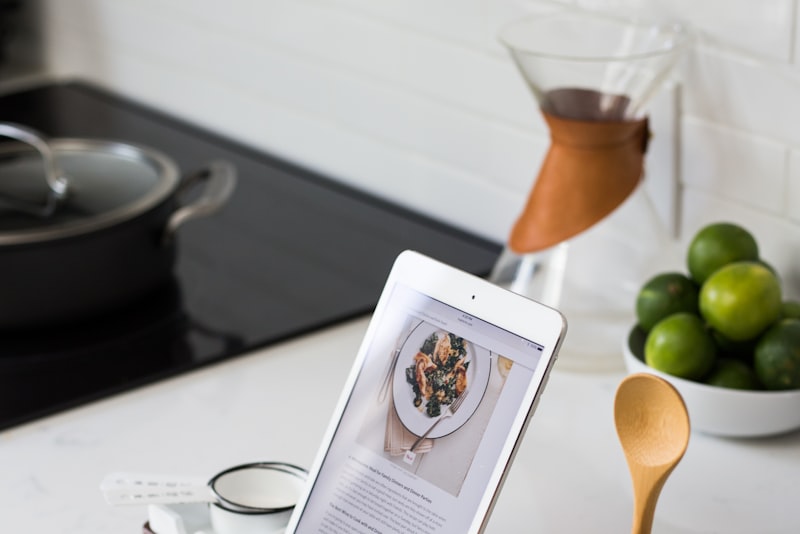
How to Read and Follow a Recipe
Read a recipe all the way through first, set up your mise en place, understand the why behind each step, and learn when it's safe to adapt and when to follow it.
 Marcus Bell
The library
Every guide we've published, newest first — 28 plain-English articles across all our topics.
Read a recipe all the way through first, set up your mise en place, understand the why behind each step, and learn when it's safe to adapt and when to follow it.
Marcus Bell
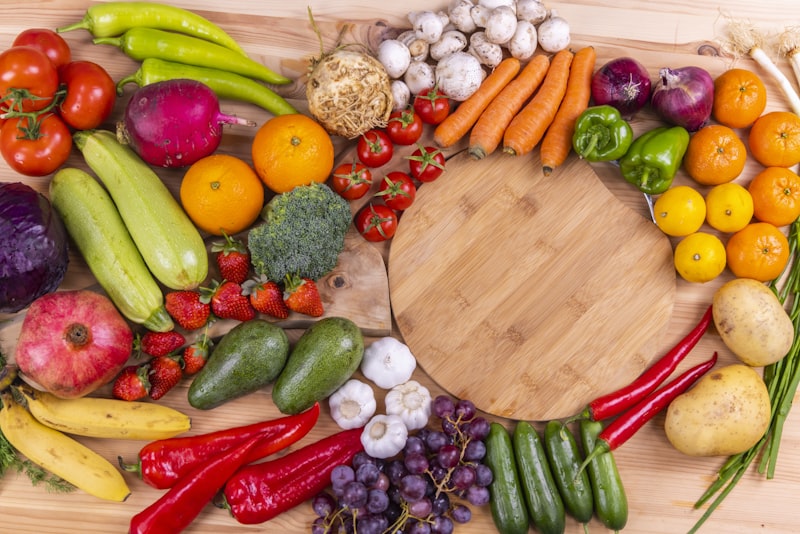
Practical ways to waste less food and money: shop to a plan, build use-it-up habits, store food smarter, and turn scraps into stock, soups, and second meals.
 Priya Nair
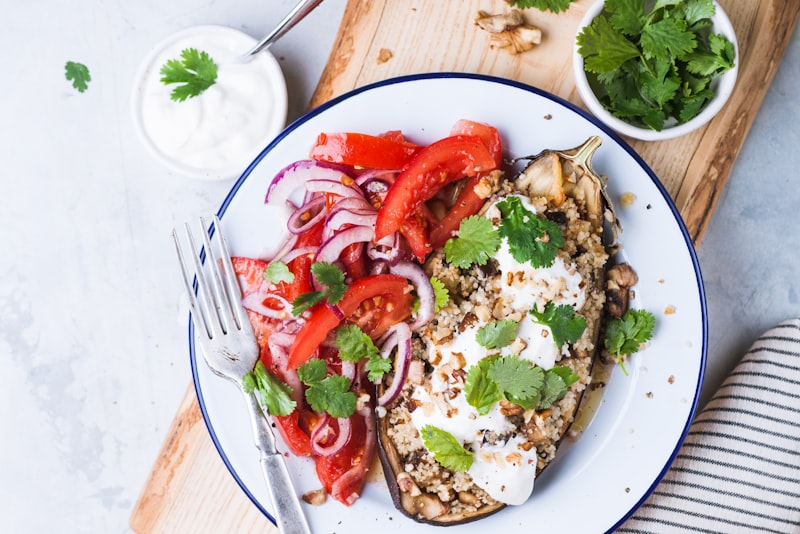
Salt the water well, cook it al dente, save the starchy pasta water, and finish the pasta in the sauce. The simple habits that change everything.
 Lucia Ferrari
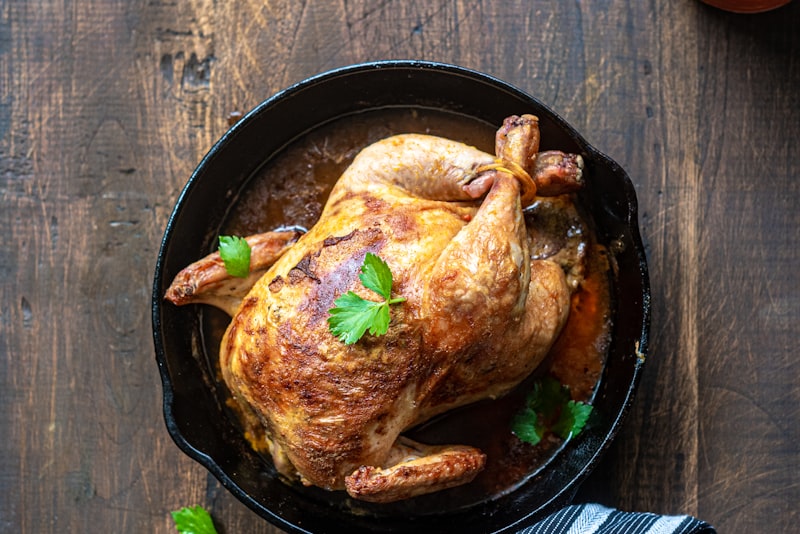
A reliable method for a golden, juicy roast chicken: dry the skin, salt ahead, roast hot, check doneness by feel and temperature, and always rest before carving.
Lucia Ferrari
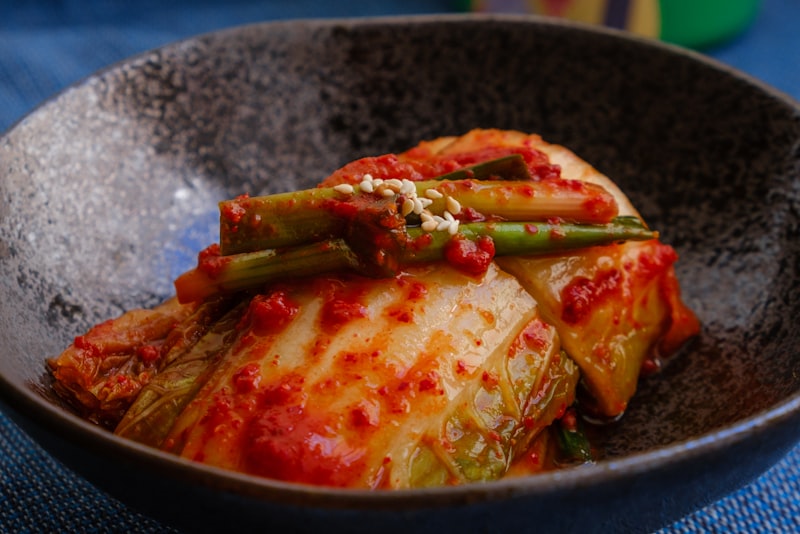
Use the browned fond, deglaze with liquid, reduce it down, and finish with butter. A cook's guide to turning a used pan into a real sauce.
Marcus Bell
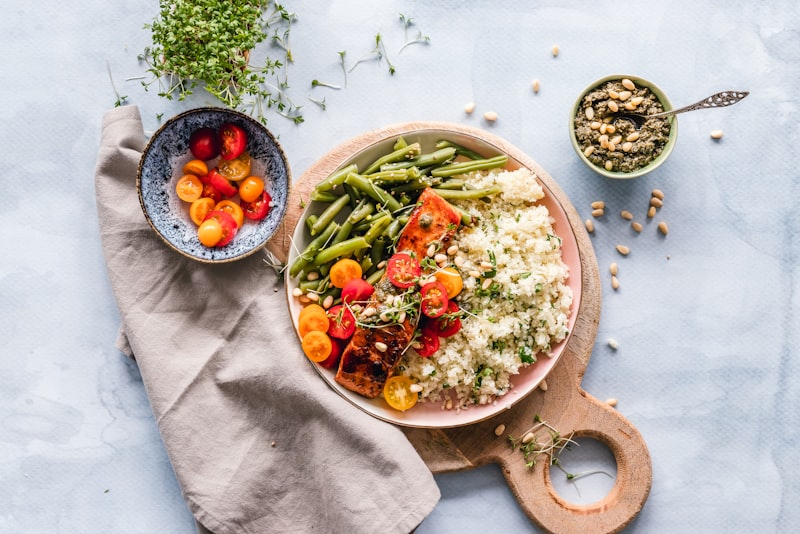
Learn the one flexible formula behind almost every soup: aromatics, liquid, body, and a finishing touch, so you can turn odds and ends into a real meal.
Priya Nair
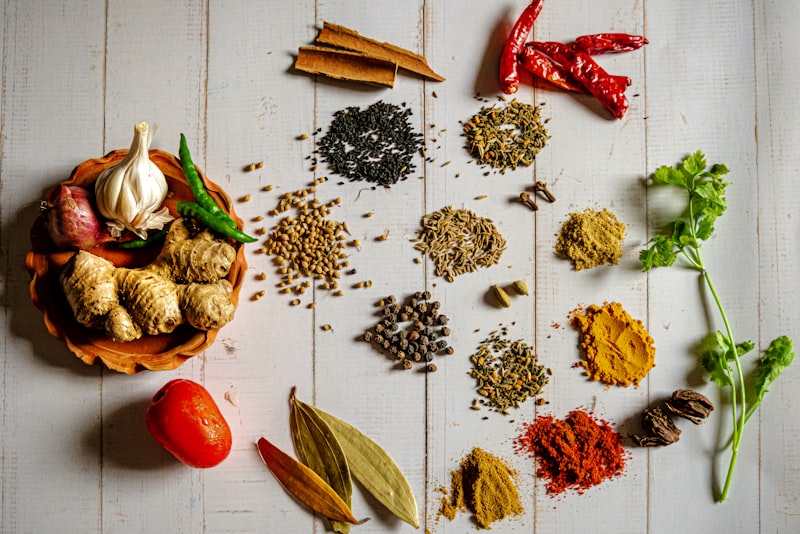
Cook with herbs and spices the confident way: when to use fresh versus dried, the right moment to add each, how to build flavor in layers, and how to store them.
Lucia Ferrari
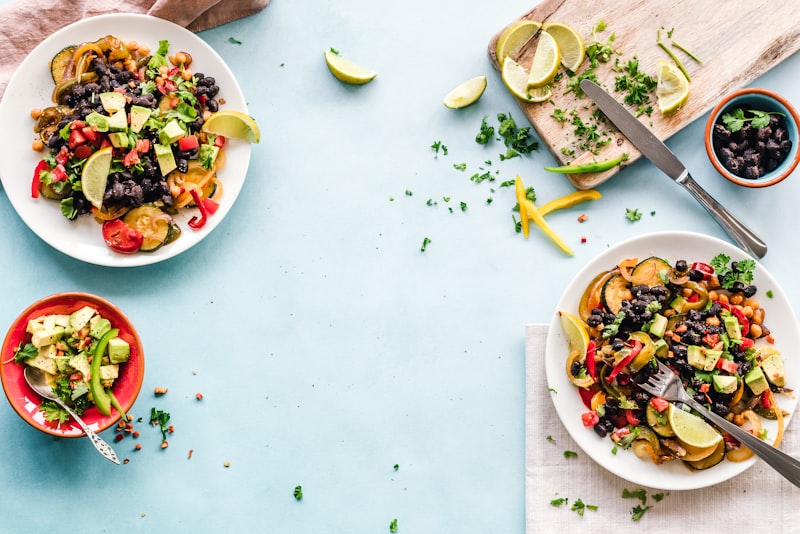
Cook more and order takeout less by lowering the friction: keep easy defaults on hand, build small habits, and make the home-cooked option the path of least resistance.
Lucia Ferrari
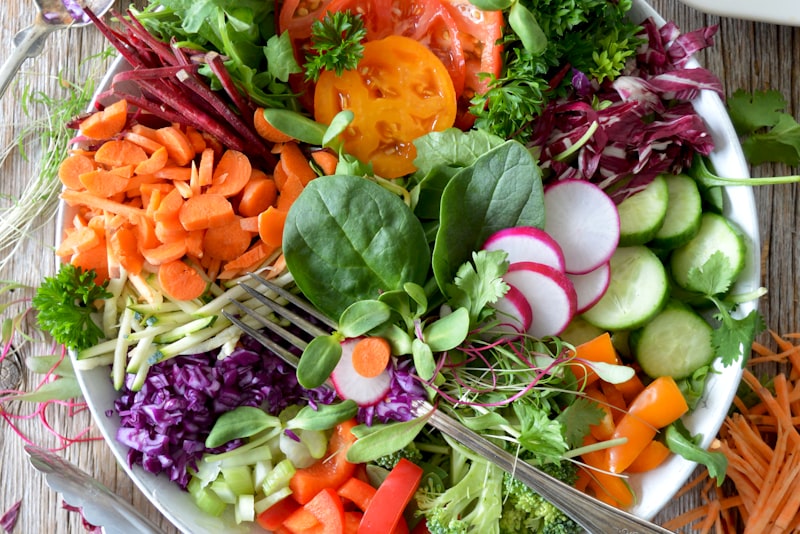
High heat, a single layer, enough oil, and real spacing. A tested guide to roasting vegetables so they turn deep brown and sweet instead of soggy.
Lucia Ferrari
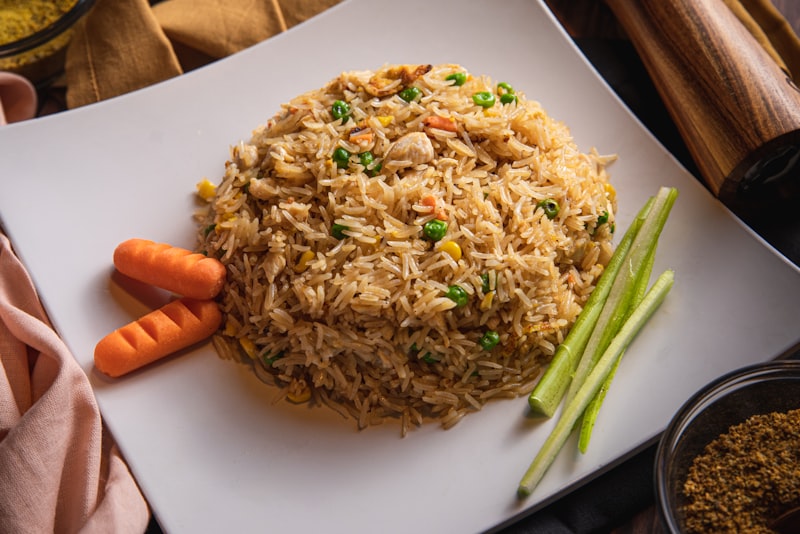
A market-driven guide to stir-frying at home: prep everything first, cook hot and fast, add ingredients in the right order, and finish with a balanced sauce.
Priya Nair
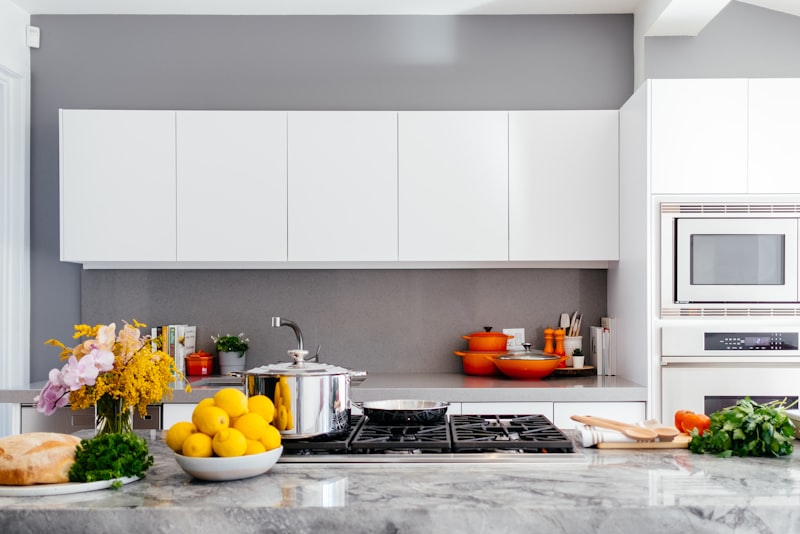
Make a small kitchen work harder: set up zones, keep counters clear, use vertical storage, and cut the tools and duplicates you never actually reach for.
Lucia Ferrari
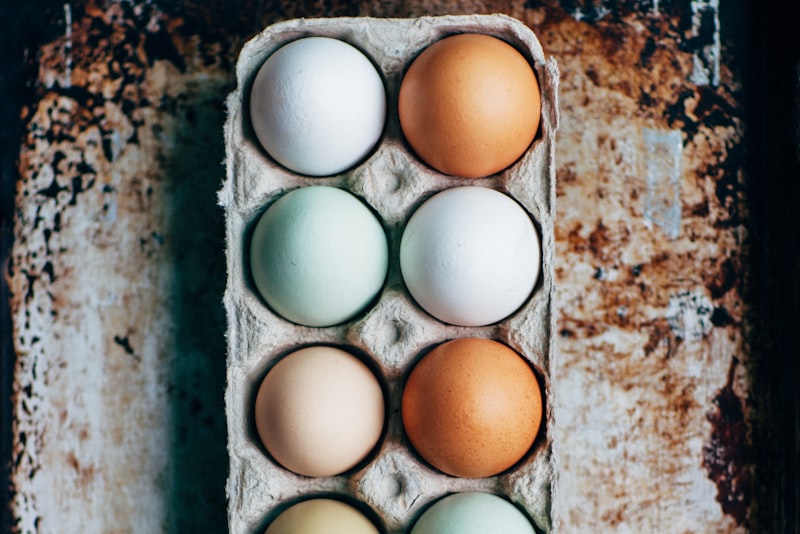
A clear guide to buying and storing eggs: the simple float freshness test, how to keep them longest, and what all those carton labels really mean.
Priya Nair
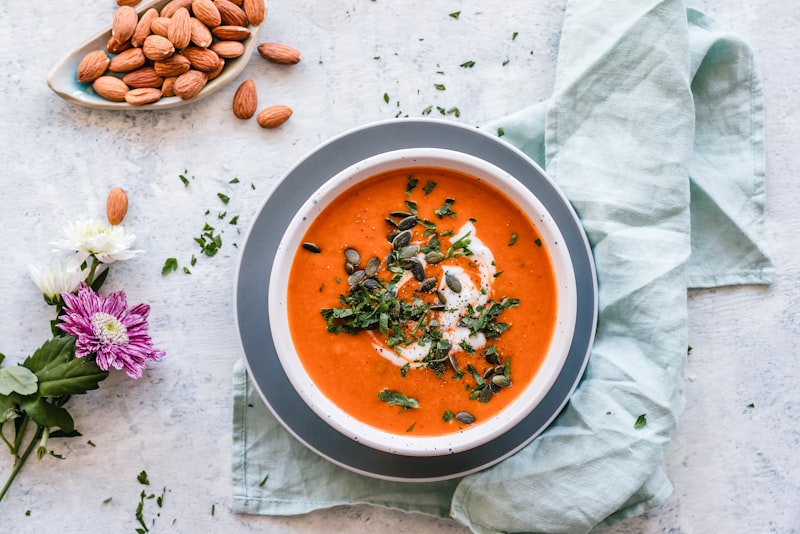
Which dishes actually survive being made ahead, plus how to cool, store, and freeze them so reheated leftovers taste as good as the day you cooked them.
Priya Nair
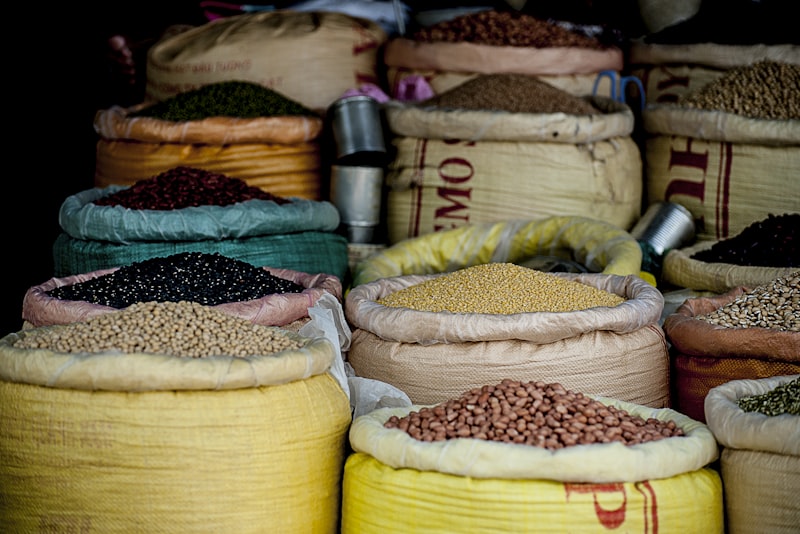
Salt in layers, taste as you go, and learn when to add it. A cook's honest guide to seasoning with salt so your food tastes finished, not flat.
Marcus Bell
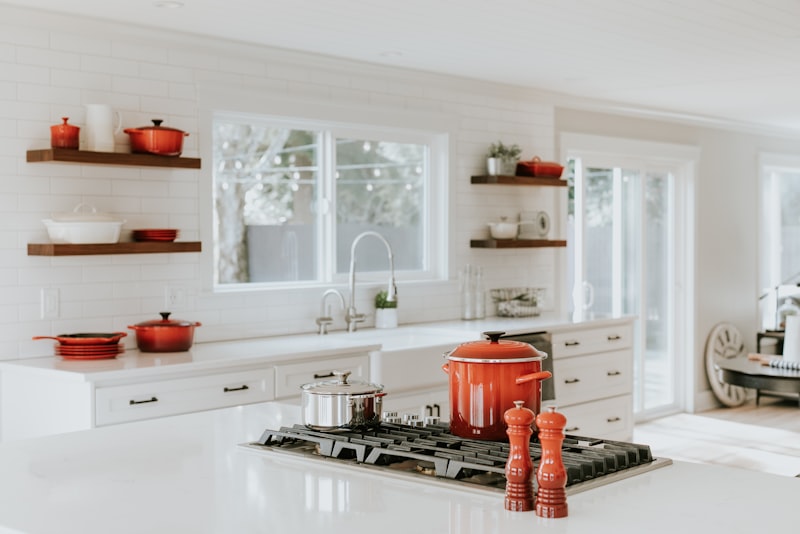
Clean-as-you-go habits that keep the kitchen calm: set up your mise en place, keep a sink of soapy water going, and reach the last plate to almost no mess.
Lucia Ferrari
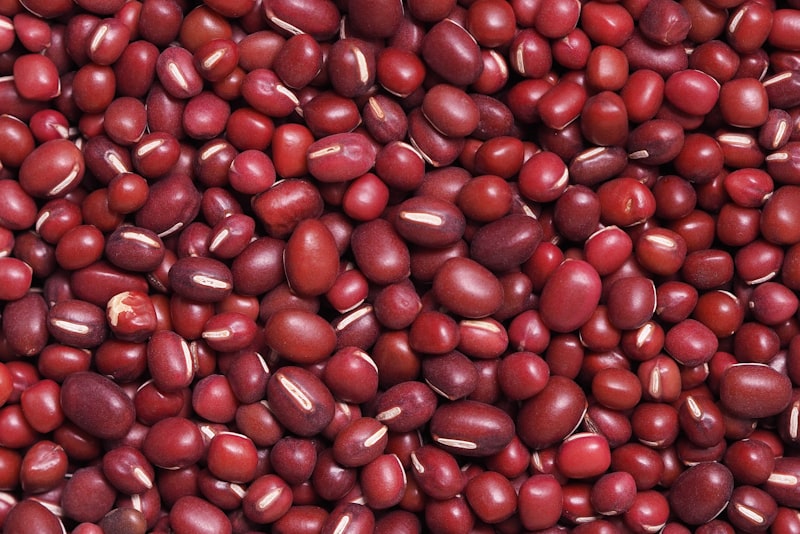
Stock a pantry that turns into real meals: the staples worth keeping, how to group them by role, and a simple rotation so nothing quietly expires.
Priya Nair
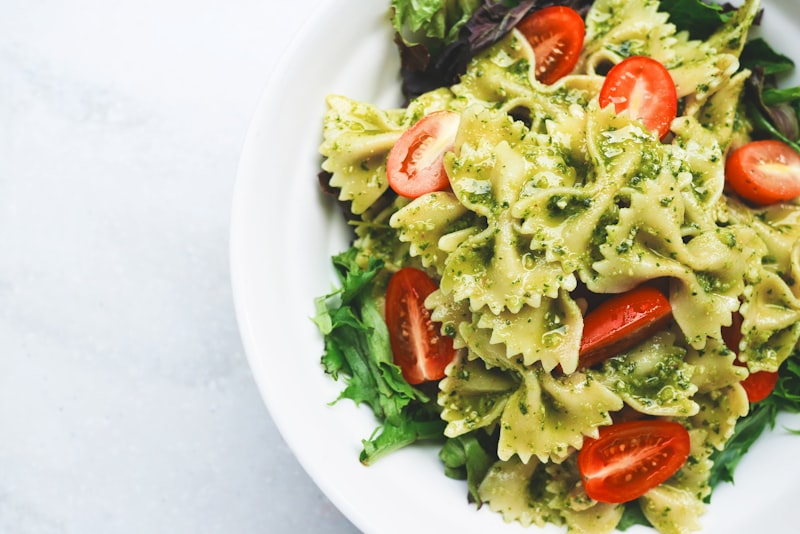
A practical approach to cooking real dinners in half an hour on a weeknight, built on a repeatable structure, a stocked pantry, and a little smart timing.
Lucia Ferrari
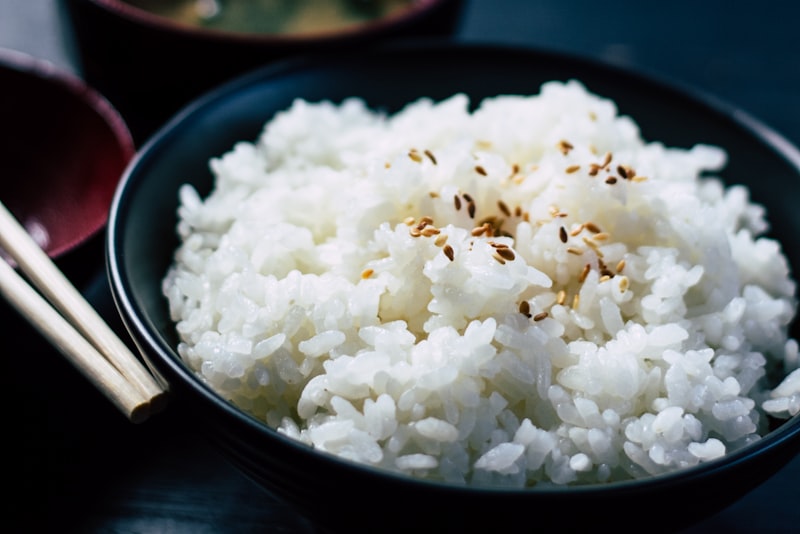
Ratios, rinsing, the absorption method, and the rest at the end. A tested, unfussy guide to fluffy rice that stops sticking and turning to mush.
Lucia Ferrari
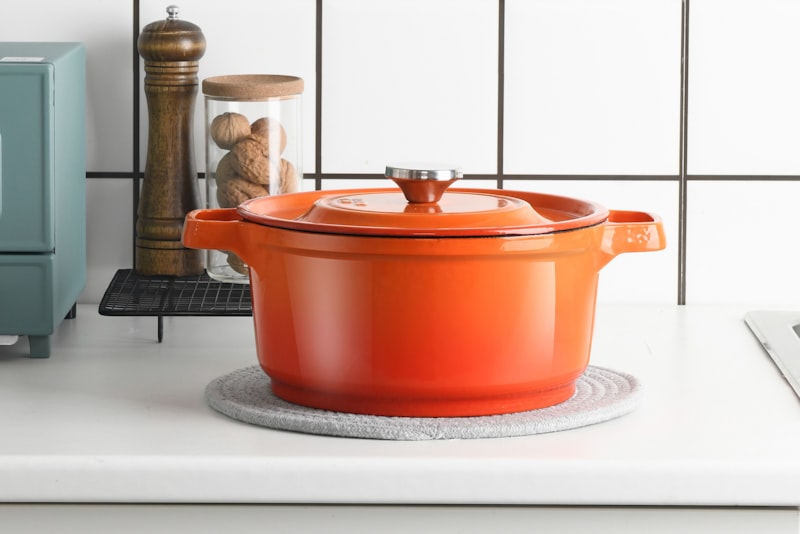
Meal prep that actually sticks: prep flexible components instead of identical boxed meals, keep the scope small, and build dinners you'll still want to eat.
Priya Nair
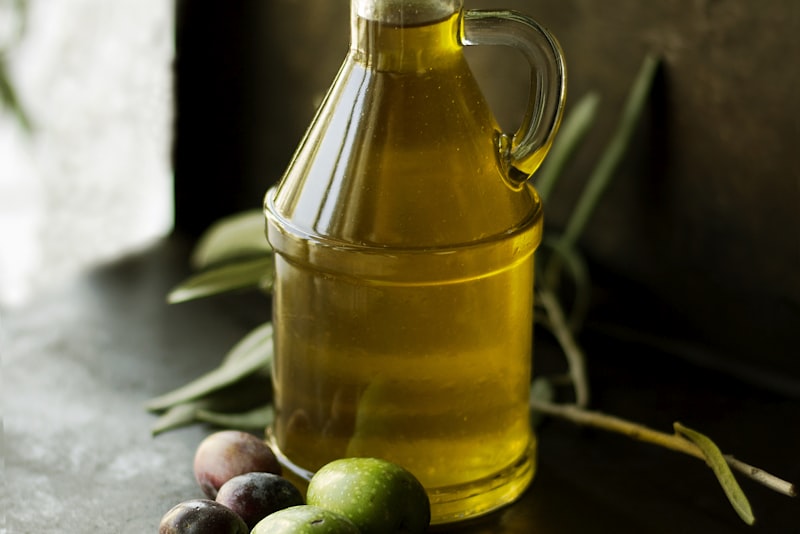
Understand cooking oils without the jargon: what smoke point means, how flavor changes the choice, which oil suits which job, and how to store them well.
Marcus Bell
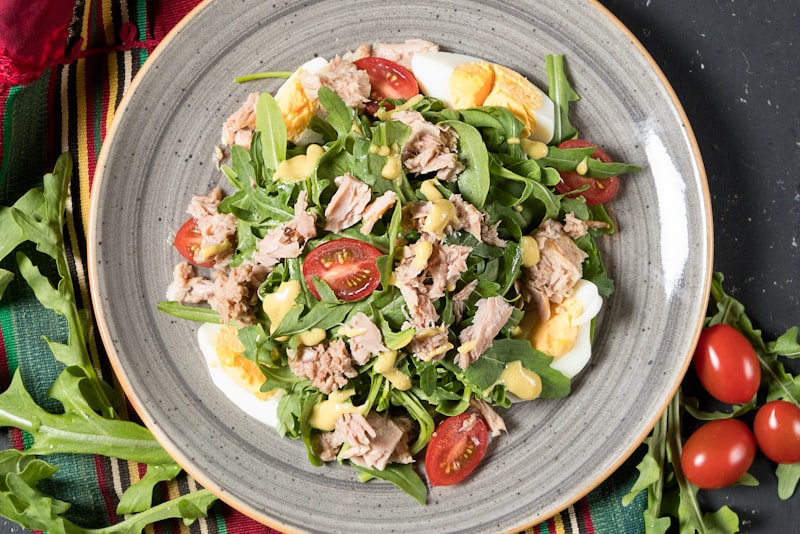
How to build satisfying one-pan and sheet-pan dinners by timing ingredients right, so everything finishes together and there's almost nothing to wash up.
Lucia Ferrari
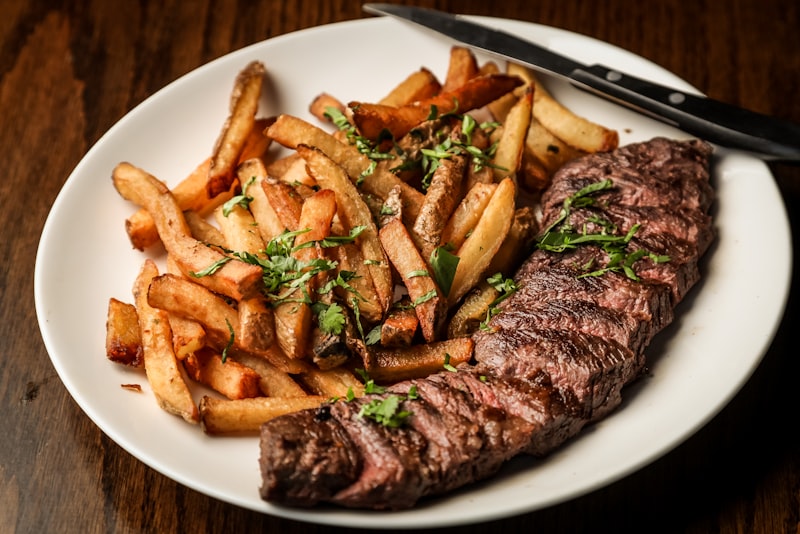
Dry the surface, get the pan properly hot, give it room, and leave it alone. A cook's honest guide to searing meat with a real crust.
Marcus Bell
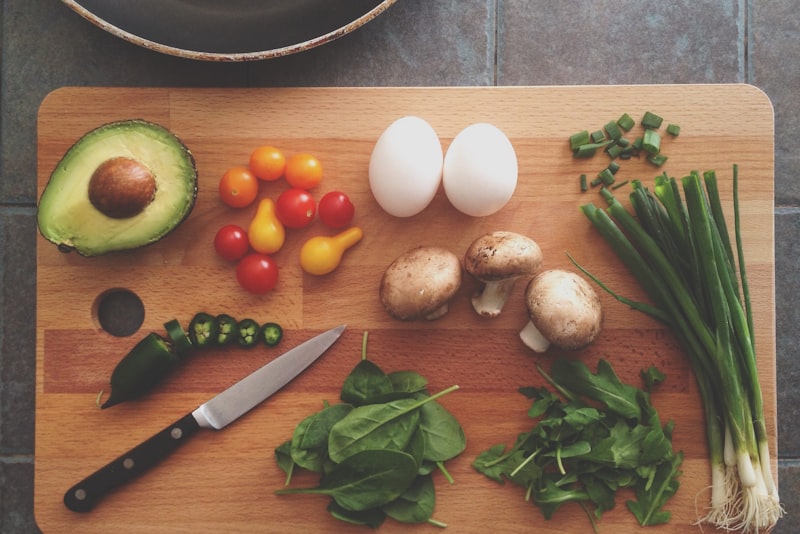
A calm, realistic way to plan a week of meals: pick a few anchor dinners, build a shopping list around them, and shop once so weeknights run themselves.
Priya Nair
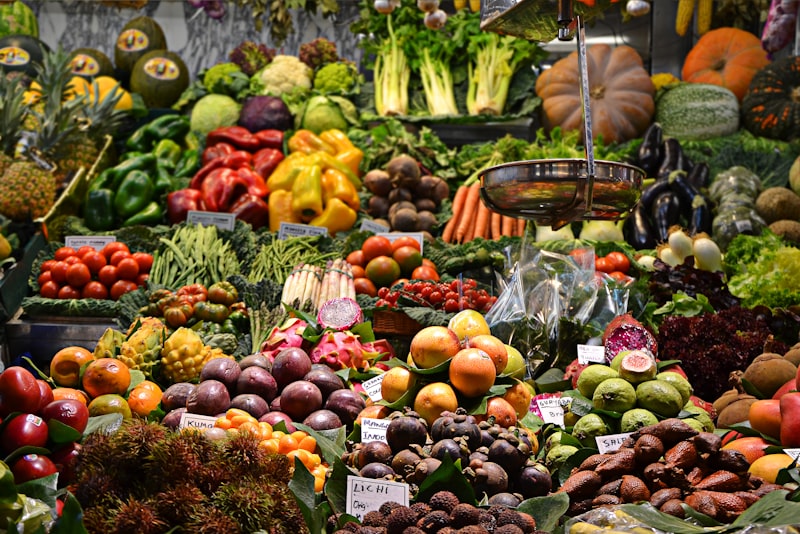
Learn to pick the best fruit and vegetables using look, feel, smell, and weight, plus how to shop with the seasons and judge ripeness without guessing.
Priya Nair
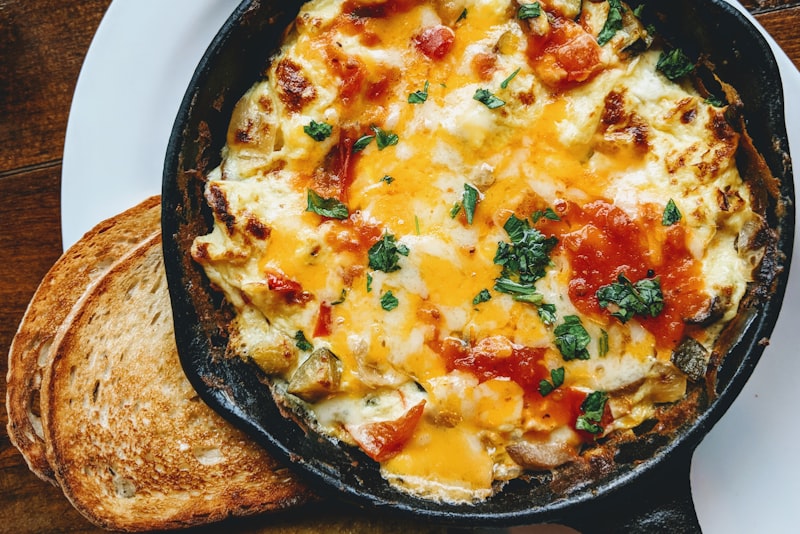
The technique behind a soft, tender, French-style omelette: good eggs, gentle heat, plenty of butter, and the stir-then-set-then-fold move that ties it together.
Lucia Ferrari
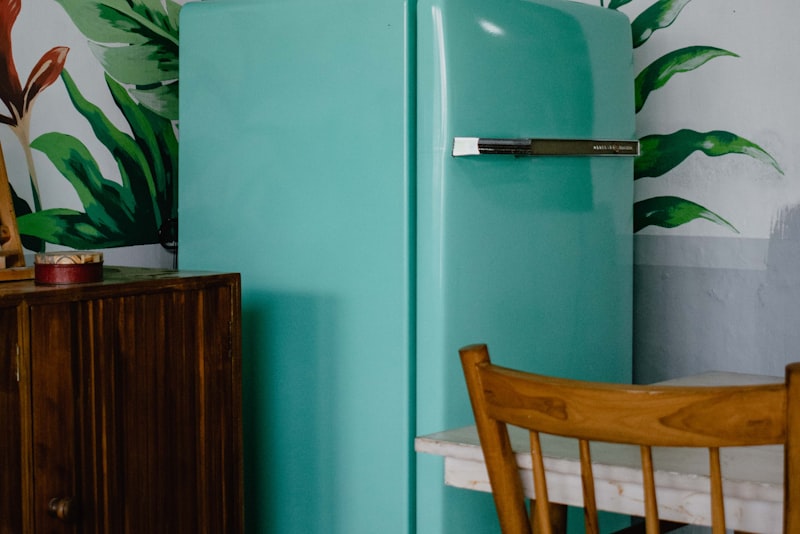
A practical guide to storing vegetables so they last: fridge versus counter, getting humidity right, and which produce you should never keep together.
Priya Nair
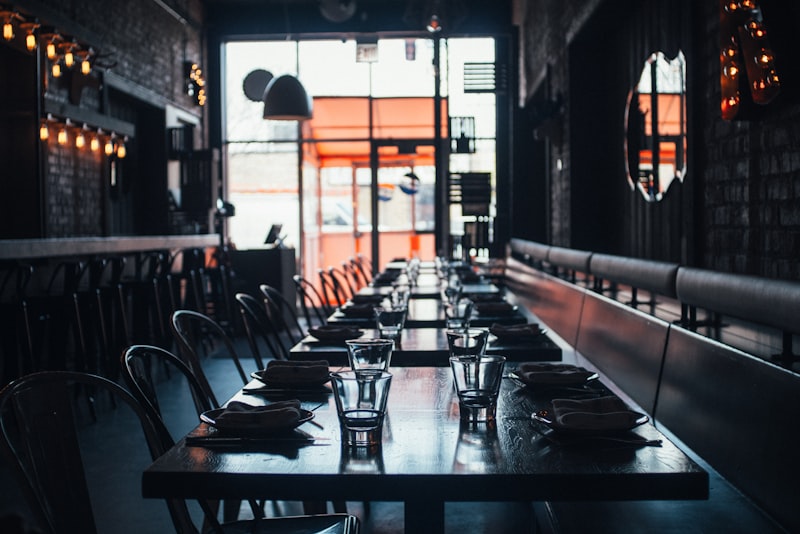
A short, honest list of the kitchen tools worth buying first, the ones that earn their place every week, plus the gimmicks you can safely skip.
Marcus Bell
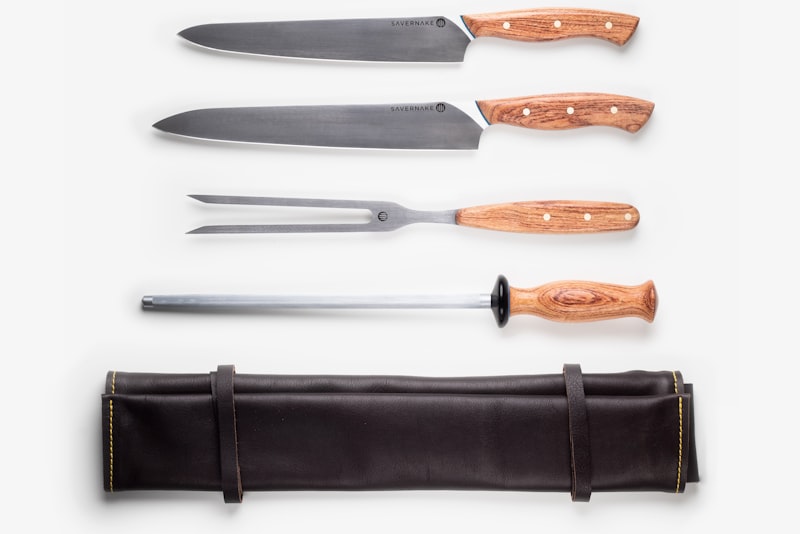
A line cook's plain guide to holding a chef's knife, guiding it with your claw hand, setting up your board, and cutting safely without fear.
Marcus Bell
No guides match your search yet. Try different words, or browse by topic above.