The measure of a good pantry is not how full it looks. It is whether, on a Tuesday when you have bought nothing fresh and cannot face the shop, it can still hand you dinner. Mine has rescued more evenings than I can count, and the difference between a pantry that feeds you and one that just stores clutter comes down to what you choose to keep.
The goal is not to hoard. A pantry stuffed with impulse buys and single-recipe oddities is just an expensive cupboard. What you want is a tight, deliberate set of ingredients that combine into real meals, restocked as you use them. Build that once and weeknight cooking gets dramatically easier.
What a working pantry is for#
Think of the pantry as your insurance policy against the empty fridge. Fresh food comes and goes, but the shelf-stable core stays constant, ready to become the backbone of a meal at any moment. A tin of beans, some pasta, a bit of onion and garlic, a good olive oil, and a few seasonings can be dinner in twenty minutes.
That is the mindset shift. You are not stocking a pantry to have ingredients; you are stocking it so that meals are always within reach. Every item earns its place by being something you will genuinely reach for, again and again, not a jar you bought for one recipe and will never open twice.
There is a quiet calm that comes with a well-stocked shelf, too. When the pantry can reliably produce dinner, the daily what-do-we-eat question loses its edge, and you stop making expensive, tired decisions at six in the evening. That steadiness is worth almost as much as the food itself, because it is the thing that keeps you cooking at home on the nights you would otherwise give up and order in.
The easiest way to build a pantry that actually cooks is to think in categories. Each one plays a part in a finished plate, and when you have at least a couple of options in every group, dinner assembles itself.
- Bases and carbohydrates: dried pasta, rice, other grains, and noodles that turn a little of everything into a full meal.
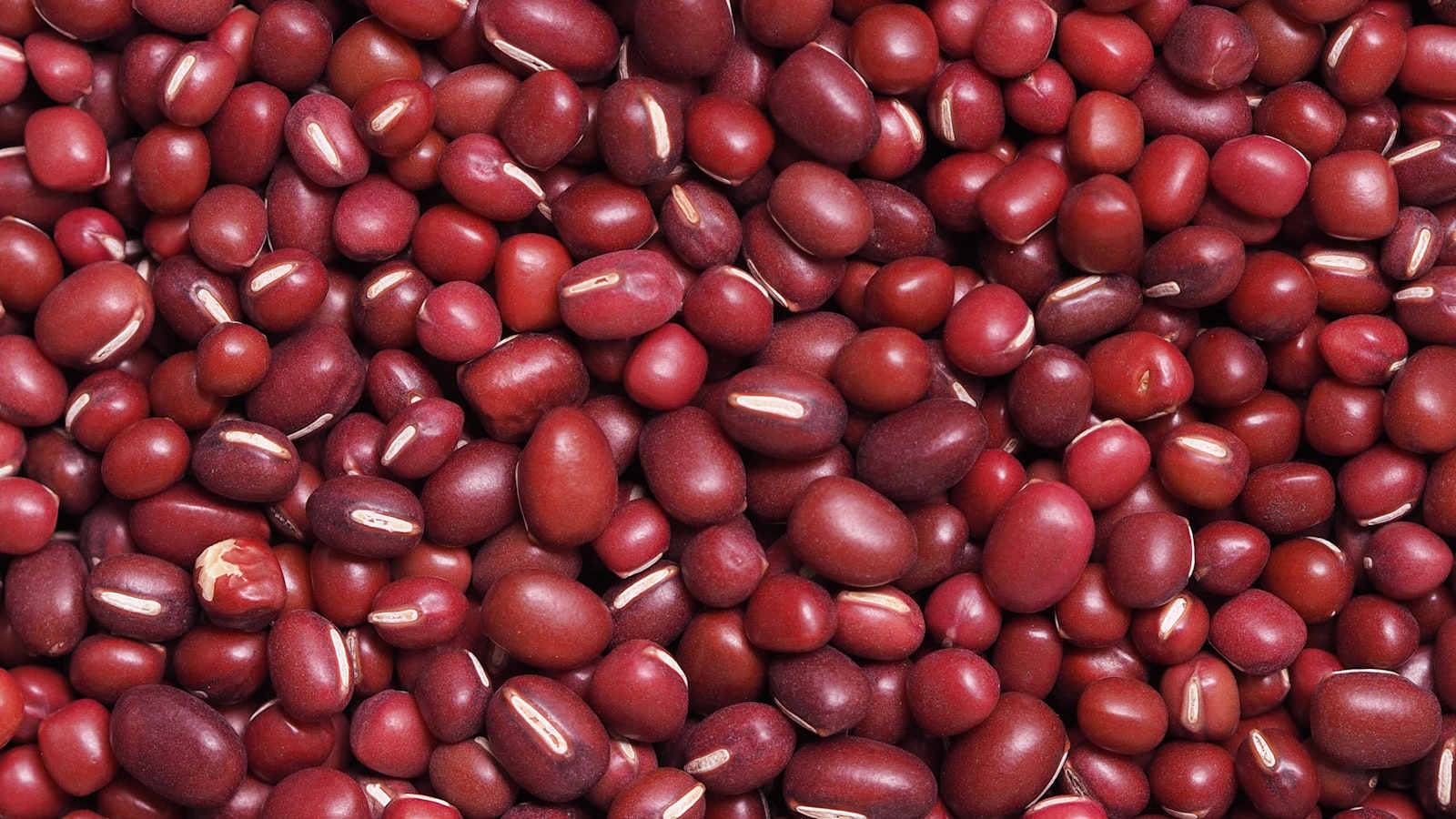
- Proteins that keep: tinned beans and lentils, chickpeas, canned fish, and dried pulses for the slow days.
- Tomatoes and stock: tinned tomatoes and stock cubes or paste, the starting point for countless sauces and soups.
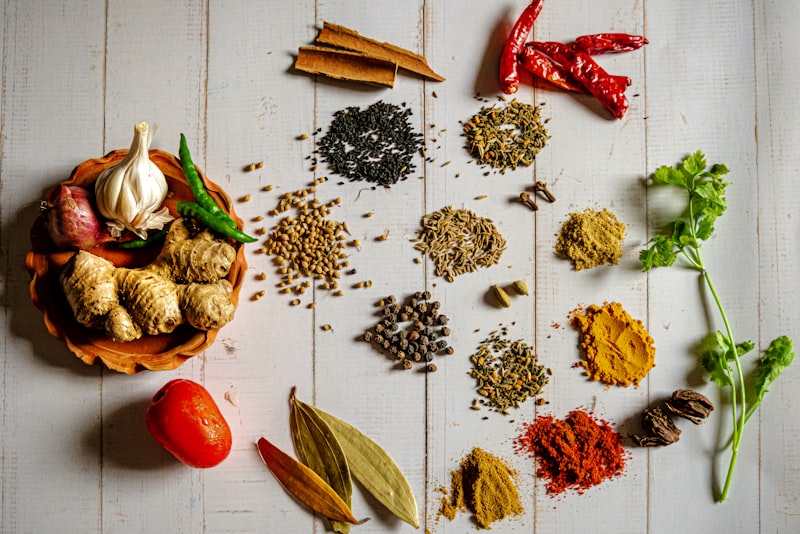
- Flavor-builders: onions, garlic, soy sauce, vinegar, mustard, and a spice rack that does the heavy lifting.
- Fats: a neutral oil for heat and a good olive oil for finishing, the two bottles most cooking leans on.
Get one or two items in each of those groups and you can already cook dozens of meals. The categories matter more than any single ingredient, because they guarantee your shelf is balanced rather than three kinds of pasta and nothing to put on them.
Keep the list short and honest. A pantry of a dozen ingredients you cook with every week beats one of sixty you touch once a year, and the small one is far easier to keep fresh and to see into. If a jar has survived several rounds of restocking unopened, it is quietly telling you something: you do not actually cook with it, and its space would serve you better filled with something you do.
A pantry is not a museum. Every jar should be something you would happily cook this week, or it is taking up space that a useful ingredient could fill.
From shelf to dinner#
Stocked well, a pantry is not a backup plan; it is the main plan on plenty of nights. Onions and garlic in oil, a tin of tomatoes, and a handful of pasta is a meal with almost no shopping. Rice, a tin of beans, and a few spices become a bowl worth eating. Pasta, olive oil, garlic, and a pinch of chilli is dinner in the time it takes the water to boil. The magic is never any single ingredient but the combinations a balanced shelf allows, so that even a bare fridge does not send you reaching for the phone. Beans, stock, and whatever vegetable is lurking in the crisper become soup, and there is real freedom in knowing you can make a simple soup from almost anything when the fridge looks bare.
The pantry also pairs beautifully with a little forethought. When you know what your shelf holds, planning meals gets faster, and a rough plan keeps you from buying duplicates or forgetting the one thing that ties a dish together. If you want to build that habit, it slots neatly alongside learning how to plan a week of meals, which turns a stocked pantry into an actual dinner rotation.
Keep it honest with rotation#
A pantry only works if the food in it is still good. Shelf-stable does not mean immortal, and the back of a deep cupboard is where good intentions go to expire quietly. A little rotation keeps everything fresh and keeps you from buying what you already own.
Three habits do almost all the work:
- Store front to back: put new purchases behind the old ones so you always reach for the oldest first.
- Do a quick monthly scan: glance over dates and pull anything creeping toward its limit to the front so you cook it soon.
- Keep a short running list: jot down staples as they run low so restocking is a quick top-up, not a panicked reinvention.
None of this needs a labeling machine or a spreadsheet. It is just the discipline of using what you have before it turns, which happens to be the same discipline that keeps your grocery bill sane.
A helpful rhythm is to tie restocking to your regular shop rather than a special trip. Top up the one or two staples that ran low this week, and the pantry stays complete without ever needing a big, costly reset. Little and often keeps both the shelf and the budget under control, and it means you are never more than a normal grocery run away from a fully working kitchen.
Start small and let it grow#
You do not build a great pantry in one enormous shop. That is how you end up with a cupboard of things you thought you would use. Start with the categories above, buy the versions you already cook with, and let the shelf fill out naturally as recipes call for new staples worth keeping.
Within a few weeks you will have a pantry that answers the question every cook dreads on a tired evening: what on earth is for dinner? The answer, more often than not, will already be sitting on your shelf, waiting. That quiet reliability, built one sensible purchase at a time, is what turns cooking from a chore into something you can always manage.