The hardest part of a weeknight dinner is rarely the cooking. It's the decision, the tiredness, and the sense that a proper meal takes more time and energy than you have left at seven o'clock. So people reach for takeout, or toast, or nothing much at all.
Thirty minutes is enough for a genuinely good dinner if you stop thinking in recipes and start thinking in structure. Once you know the shape of a fast meal, the specific ingredients matter far less, and dinner becomes a thing you assemble rather than a project you undertake.
Think in structure, not recipes#
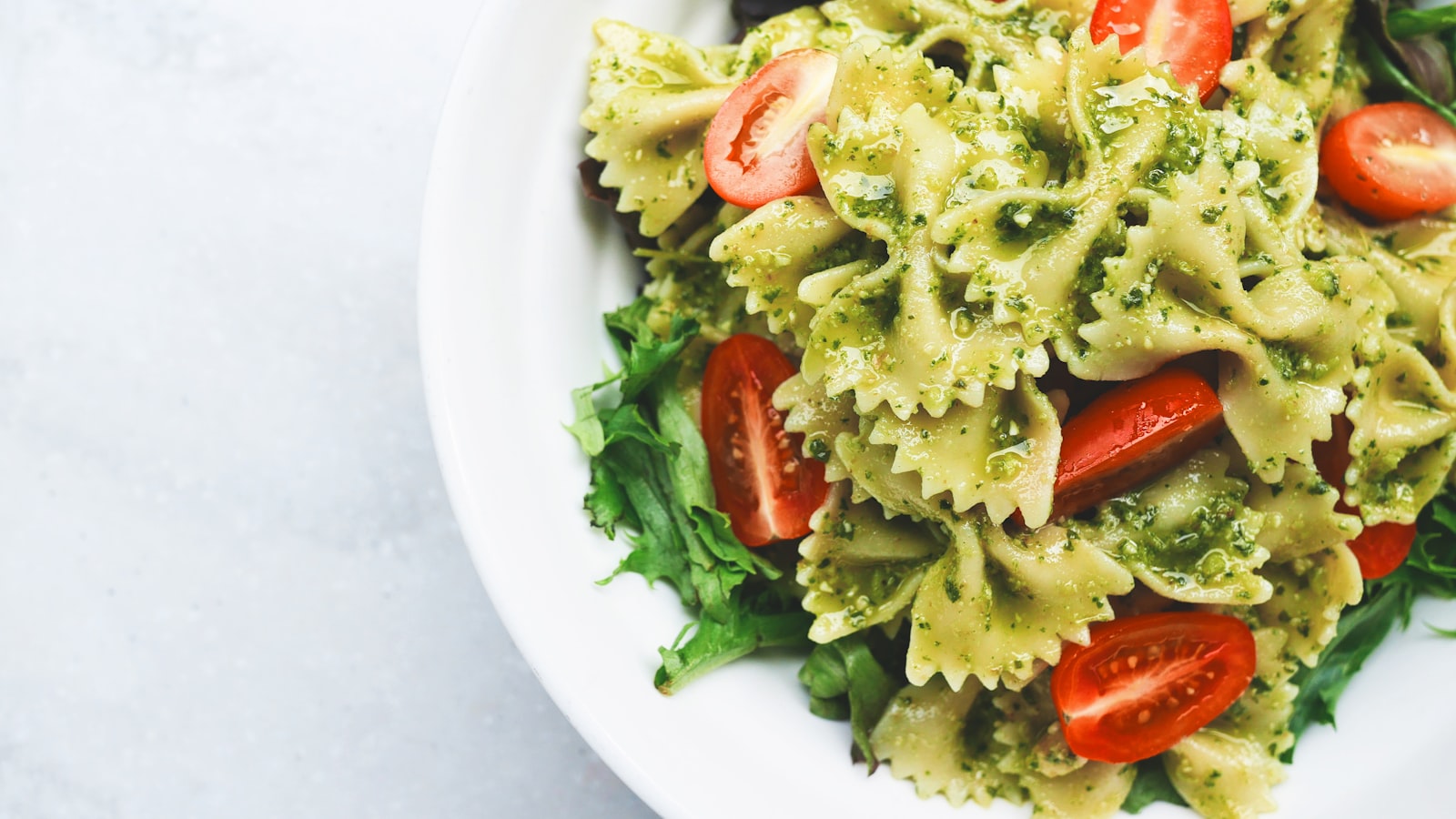
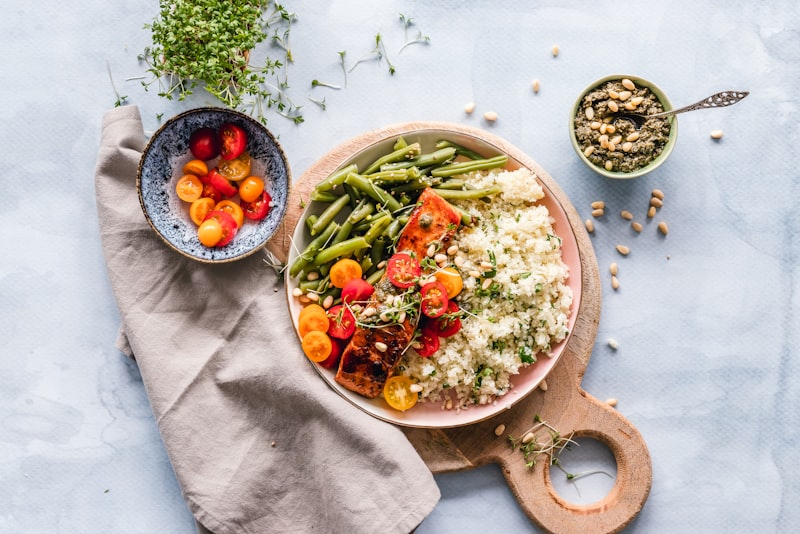
Almost every quick dinner is the same handful of moves in a different costume. A protein or a bean, something starchy, a vegetable or two, and a sauce or seasoning that ties them together. Rice with a fried egg and quick-sauteed greens is that structure. So is pasta with a can of tomatoes and whatever is wilting in the crisper. So is a tortilla filled with beans, cheese, and a spoonful of salsa.
When you hold the structure in your head instead of a list of exact ingredients, you stop being dependent on having the "right" things. You look at what you have and slot it into the shape. No chicken but there are eggs? Eggs are the protein. No fresh vegetable but there's a bag of frozen peas? Peas are the vegetable. This is the single mental shift that makes weeknight cooking sustainable, because it survives a fridge that's never quite what the recipe wanted.
Give yourself three or four of these shapes you can cook half-asleep. A grain bowl, a fast pasta, a big filling omelette, a skillet of protein and vegetables over rice. Repeat them without guilt. Nobody at the table is keeping score, and a reliable dinner you actually make beats an ambitious one you keep postponing.
Set up before you turn on the heat#
Restaurant kitchens run on a simple idea: everything is prepped and within reach before the cooking starts. You don't need to chop every ingredient into tidy piles at home, but a loose version of this saves you from the worst weeknight trap, which is scrambling to peel garlic while the onions burn.
Take two minutes to read the whole plan in your head and pull out what you'll need. Get the oil, the salt, the pan, the cutting board. Put a pan of water on to boil before you do anything else if pasta or grains are involved, because that's dead time you can fill with chopping. If you're new to leaning on your cupboard for these meals, a pantry that cooks dinner is what makes the whole thing possible; with oil, salt, canned tomatoes, dried pasta, and a few sauces on hand, you're never truly starting from zero.
The clock only feels tight when you're doing tasks in the wrong order. Start the thing that takes the longest, then prep the quick stuff in the gaps while it cooks.
Cook in the right order#
Timing is where thirty minutes is won or lost. The goal is to have everything finish at roughly the same moment, hot, without three things going cold while you wait on a fourth. The rule is simple: start the longest-cooking element first, then layer the faster things in around it.
Here's how that plays out for a typical skillet dinner:
- Put water on to boil, or start the rice, since grains are usually the slowest part.
- Get your protein browning in a hot pan while the grain cooks.
- Chop vegetables as the protein sears, then add them to the pan in order of how long they need.
- Build a quick sauce in the same pan at the end, off the direct heat.
- Drain the grain, plate everything, and season to taste.
This overlapping is the trick. You're never standing and watching one pot; you're always doing the next quick task while something else cooks unattended. A hot pan does a lot of the work for you, and searing your protein properly gives the whole dish depth in minutes rather than hours. If you want that deep, savory crust that makes a fast meal taste considered, learning how to sear meat for a real brown crust pays off every single night.
Lean on shortcuts without apology#
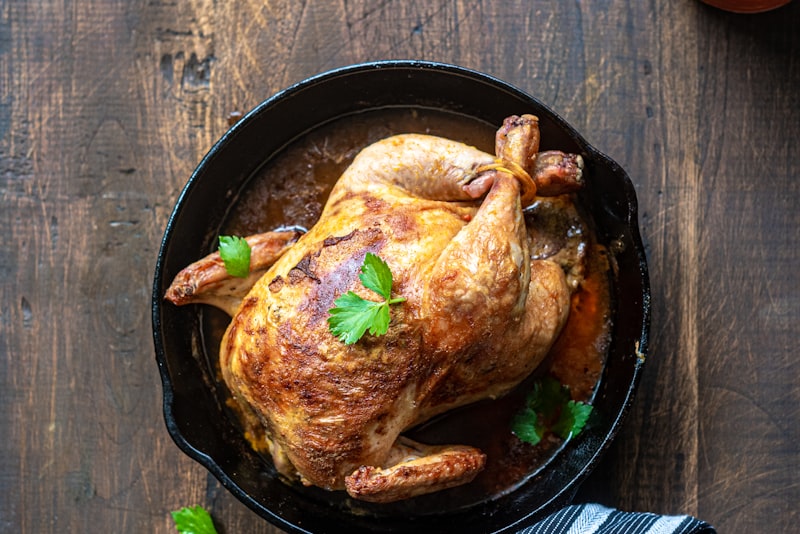
There is a stubborn idea that shortcuts are cheating. They aren't. A can of good tomatoes has been picked and preserved at peak ripeness; frozen peas and spinach were frozen hours after harvest and are often better than the tired fresh versions. Pre-cooked grains, a rotisserie chicken, a jar of curry paste, a bag of washed salad leaves, all of these buy back time you don't have on a Tuesday.
Keep a mental list of the shortcuts that genuinely help you:
- Canned beans and lentils for instant, filling protein
- Frozen vegetables that need no washing or chopping
- A jar of pesto, curry paste, or good salsa to build flavor fast
- Eggs, which cook in minutes and turn anything into dinner
- Pre-cooked or quick-cooking grains like couscous
The point isn't to cook from scratch out of pride. The point is to eat a good, homemade-tasting meal on a weeknight, and smart shortcuts are how ordinary people manage that year after year.
Season as you go, taste before you serve#
The difference between a flat quick dinner and one that tastes like you meant it usually comes down to salt and a final lift of acid. Season in layers as you cook rather than dumping it all at the end, so each component tastes good on its own. A pinch on the vegetables as they sear, a little in the pasta water, a final adjustment once it's plated.
Then taste. This is the step people skip when they're rushing, and it's the most important one. A dish that seems dull almost always wants more salt or a squeeze of lemon, not more cooking. A splash of vinegar, a spoonful of yogurt, a scatter of fresh herbs, or a little grated cheese can wake up a plate in seconds. If salt still feels like guesswork to you, learning to season properly with salt is the one skill that improves everything else you cook.
Dinner in half an hour isn't about speed cooking or clever gadgets. It's about knowing a few reliable shapes, setting up before you start, working in the right order, and trusting your own taste at the end. Do that a few times and the panic drains out of the evening. You stop dreading the question of what's for dinner, because you already know the answer is something simple, hot, and genuinely good, on the table before you've had time to talk yourself out of it.