Eggs are the ingredient I would least like to cook without. They stretch a budget, they turn up in everything from breakfast to dinner, and a dozen of them costs less than most convenience meals. Yet the egg aisle can be quietly confusing, stacked with cartons shouting words that sound important but rarely explain themselves.
Buying eggs well is not complicated once you cut through the marketing. You want fresh eggs, you want to store them so they stay that way, and you want to know which label claims mean something and which are just decoration. Here is how I think about all three.
Buy for freshness, then check it at home#
At the shop, do two quick things. Open the carton and look, because a broken or cracked shell can spoil the rest and is easy to miss. Then glance at the date stamped on the carton and pick the one with the most life left, usually toward the back of the shelf where the newer stock hides. If you buy from a farm stand or a neighbour with a few hens, ask when the eggs were laid; genuinely fresh eggs can sit at cool room temperature for a while, though the fridge is still the safest home once they are yours.
Once home, you do not have to trust the date blindly, because eggs come with a built-in freshness test. Gently lower an egg into a bowl of water and watch what it does.
- Lies flat on the bottom: very fresh, use it for anything.
- Stands up but stays submerged: still good, best cooked hard-boiled or baked.
- Floats to the top: past it, so crack it into a separate bowl and, if in doubt, throw it out.
The float test works because of a tiny air pocket inside the shell that grows as the egg ages and slowly loses moisture through its porous shell. More air means more buoyancy, which is why an old egg tips up and eventually floats.
It is a genuinely useful trick, especially for eggs that have been in the fridge a while and lost their date to a smudge or a torn carton.
People often ask whether the printed date really matters. Treat it as a guide, not a deadline. Eggs kept properly cold routinely stay good for weeks beyond that stamp, and the water test settles any argument the number cannot. What actually shortens an egg's life is warmth and time spent out of the fridge, not the date on the box.
Store them cold and covered#
Where you keep eggs matters more than people think. The fridge door feels like the natural home for them, and many fridges even come with an egg-shaped tray there, but the door is the warmest, most temperature-swung part of the whole appliance. Every time you open it, the eggs get a little blast of warm air.
Keep eggs on an interior shelf instead, where the temperature stays low and steady. And leave them in their carton rather than transferring them to that door tray. The carton does two jobs at once: it shields the eggs from absorbing strong fridge smells through their porous shells, and it keeps the date printed on the box right where you can see it.
A few more habits keep eggs at their best:
- Store them pointed end down, which helps keep the yolk centered and the air pocket stable.
- Do not wash eggs before storing, because that removes a natural protective coating on the shell.
- Bring them to room temperature only just before cooking, not by leaving them out for hours.
If you ever find yourself with more eggs than you can use before they turn, you can freeze them, though never in the shell. Crack them into a container and beat lightly before freezing, or freeze the whites and yolks separately for baking later on. It is a handy escape hatch when a carton is racing its date and you have no egg-heavy meal on the horizon.
Stored this way on a cold shelf, eggs stay good well past the date on the carton, and the float test is always there to settle any doubt.
Decode the carton labels#
This is where most confusion lives. The front of an egg carton can carry a crowd of terms, and it helps to know which describe the hen's life and which describe the egg itself. Most of them are about how the birds were raised, which is a matter of welfare and personal choice rather than a promise of a better-tasting or more nutritious egg.
Broadly, the housing labels run from caged systems, through barn or cage-free, to free-range and pasture-raised, with each step generally giving the hens more space and outdoor access. Organic usually adds requirements about feed and farming methods on top of that. None of these terms, on their own, tells you an egg is fresher or richer; they tell you how the hen lived. Buy according to what you care about and can afford, and do not assume the priciest carton automatically cooks up better.
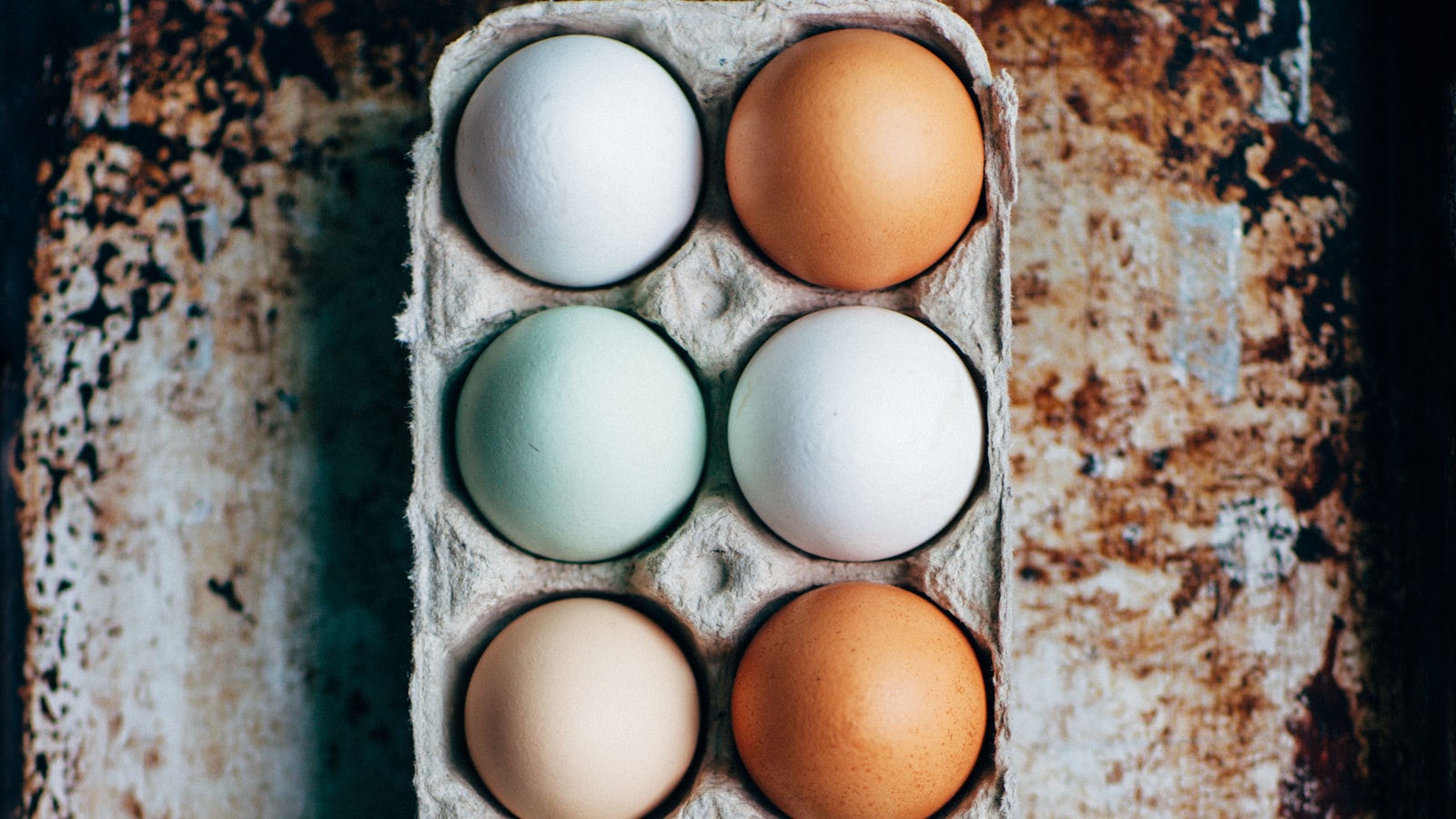
One more myth worth putting to rest: shell color. Brown, white, blue, and speckled eggs differ because of the breed of hen that laid them, and that is all. A brown egg is not healthier or more natural than a white one, whatever the premium price suggests. What is inside is what counts.
Cook them at their best#
Fresh eggs reward you at the stove. The fresher the egg, the firmer the white holds together, which matters for poaching and frying where you want a tidy shape rather than a spread-out mess. Slightly older eggs, on the other hand, are actually easier to peel once hard-boiled, so there is a use for every stage of an egg's life. It is a rare ingredient that hands you options as it ages rather than simply going off.
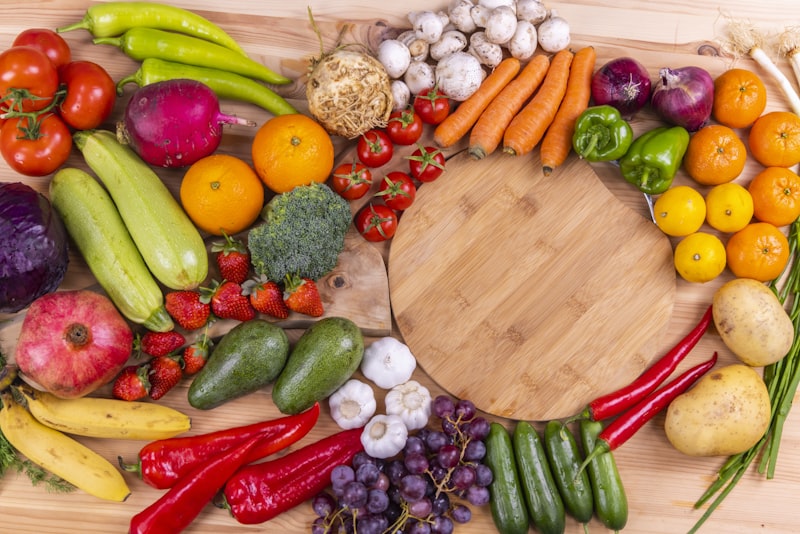
Because eggs cook fast and pair with almost anything, they are the natural rescue when the fridge is thin. A couple of eggs and whatever vegetables you have on hand become a quick, satisfying meal, which is exactly the thinking behind a restaurant-style omelette. Keeping a few good vegetables on hand alongside your eggs makes those meals even better, and it is worth a look at how to store vegetables so they last so both halves of the plate stay fresh.
Get into the rhythm of buying eggs with life left in them, keeping them cold and in their carton, and trusting the water test over any smudged date. Do that, and this humble, cheap, endlessly useful ingredient will always be ready when you need it, which for me is most days of the week.