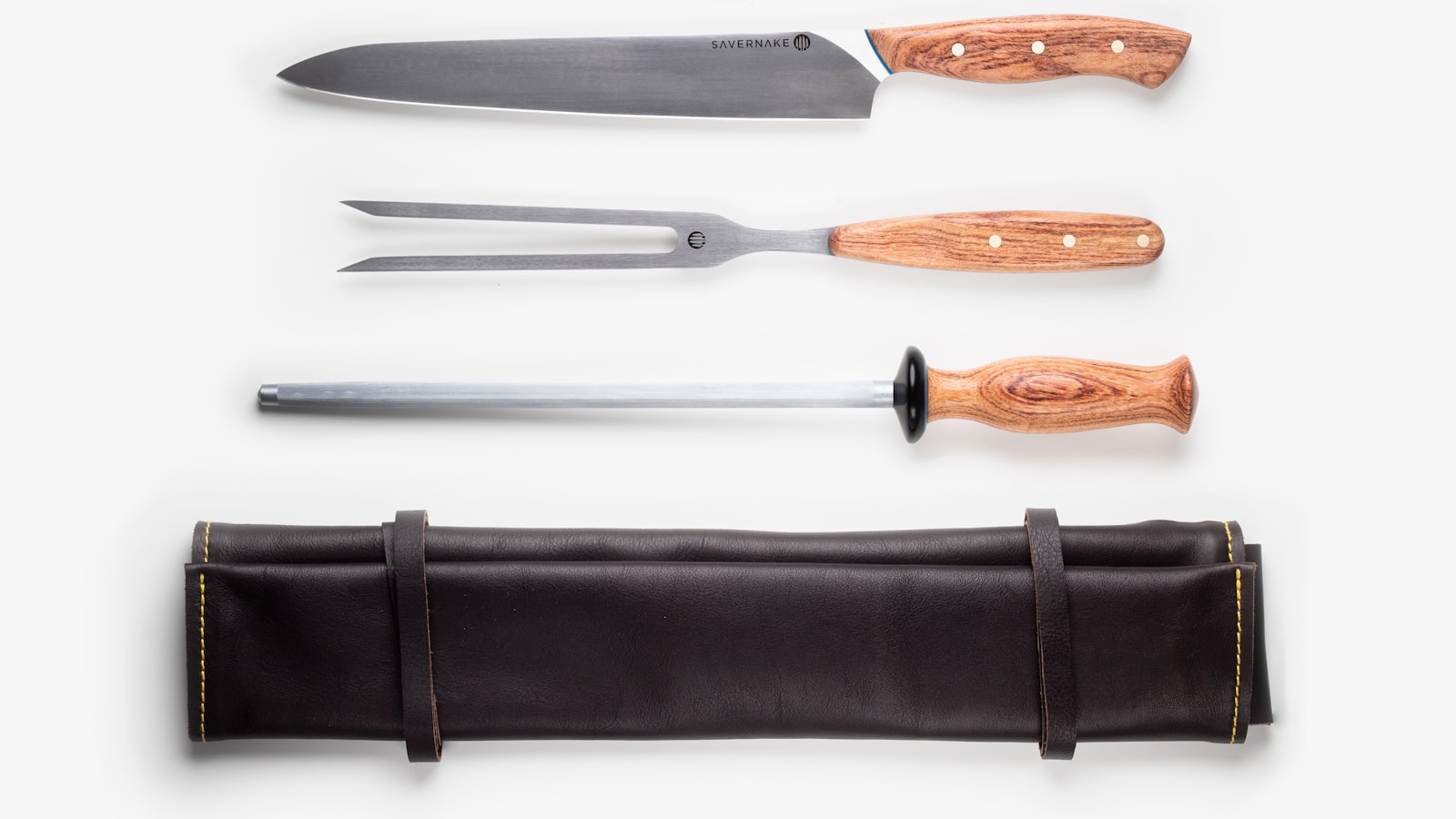
How to Hold and Use a Chef's Knife
A line cook's plain guide to holding a chef's knife, guiding it with your claw hand, setting up your board, and cutting safely without fear.
 Marcus Bell · May 12, 2026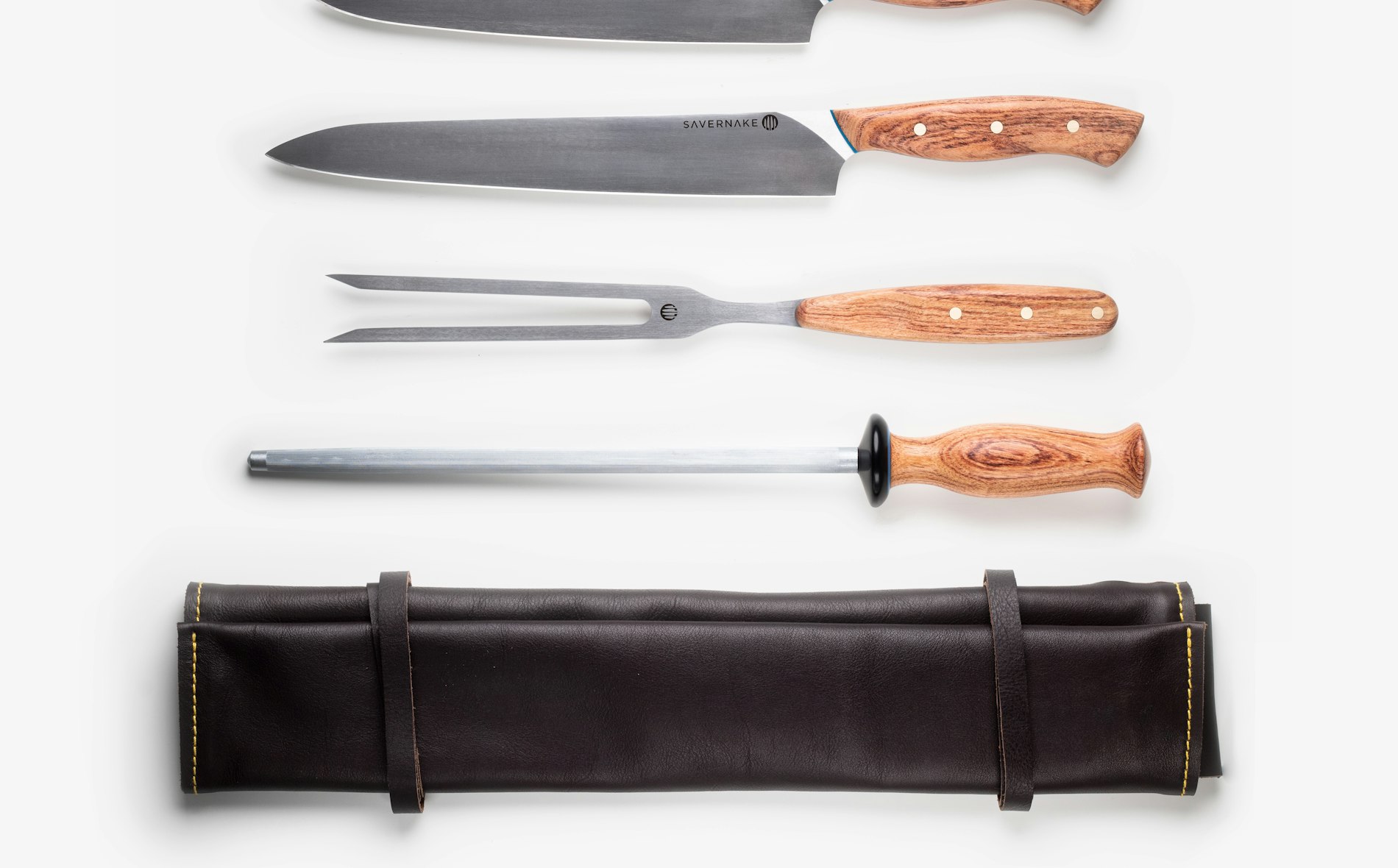
Techniques · Recipes · Ingredients · Kitchen
Rafuxo is a friendly home-cooking companion — clear techniques, dependable everyday recipes, honest ingredient know-how, and simple kitchen habits that make cooking at home faster, cheaper, and a lot more enjoyable.
Featured
A line cook's plain guide to holding a chef's knife, guiding it with your claw hand, setting up your board, and cutting safely without fear.
Marcus Bell · May 12, 2026Latest
Fresh, plain-English guides, newest first.
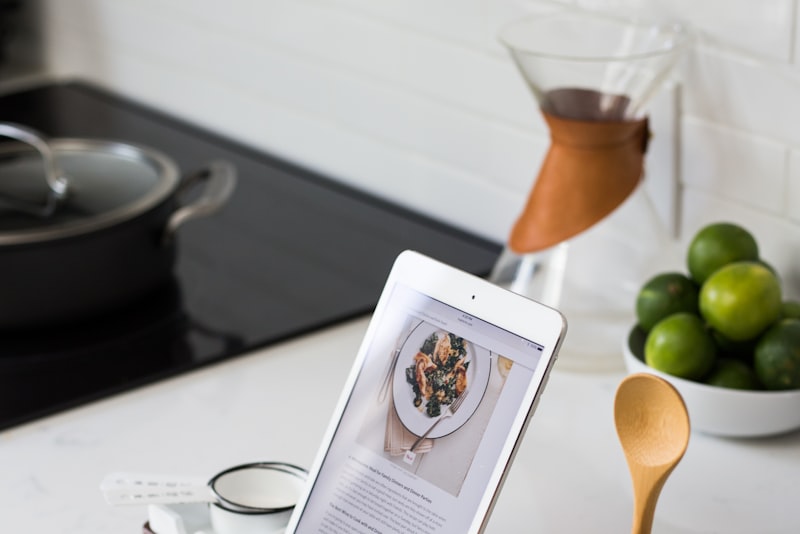
Read a recipe all the way through first, set up your mise en place, understand the why behind each step, and learn when it's safe to adapt and when to follow it.
Marcus Bell
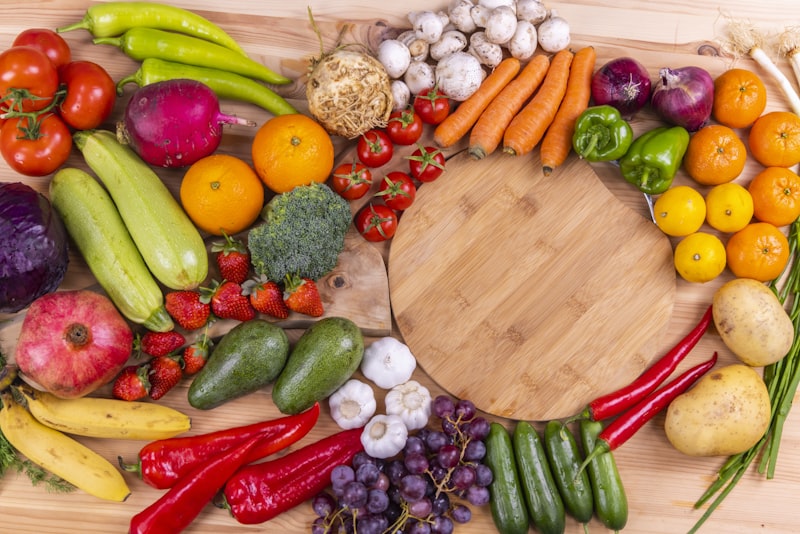
Practical ways to waste less food and money: shop to a plan, build use-it-up habits, store food smarter, and turn scraps into stock, soups, and second meals.
 Priya Nair
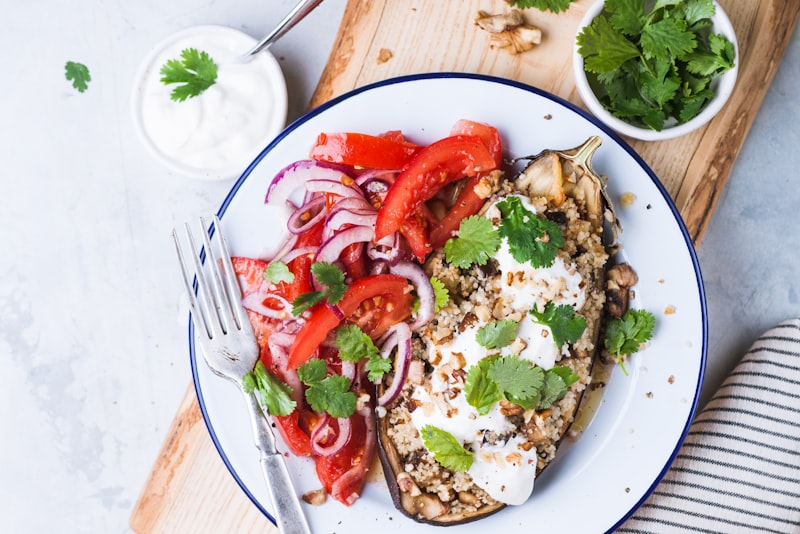
Salt the water well, cook it al dente, save the starchy pasta water, and finish the pasta in the sauce. The simple habits that change everything.
 Lucia Ferrari
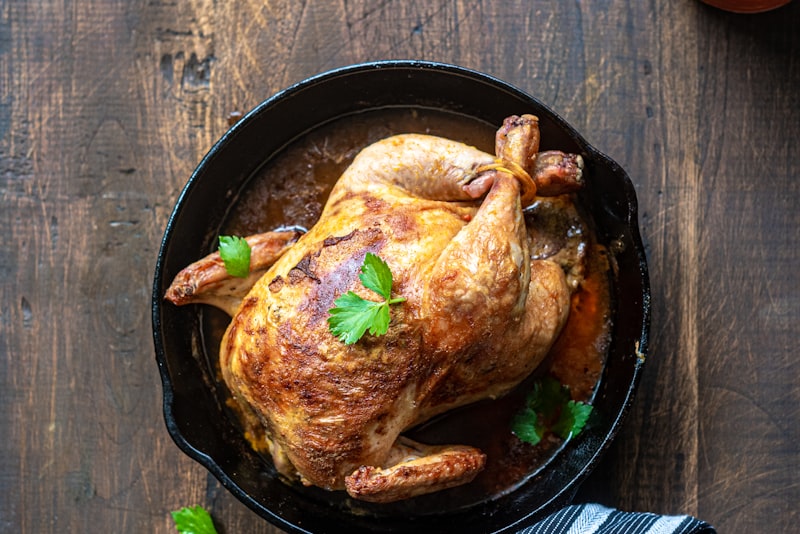
A reliable method for a golden, juicy roast chicken: dry the skin, salt ahead, roast hot, check doneness by feel and temperature, and always rest before carving.
Lucia Ferrari
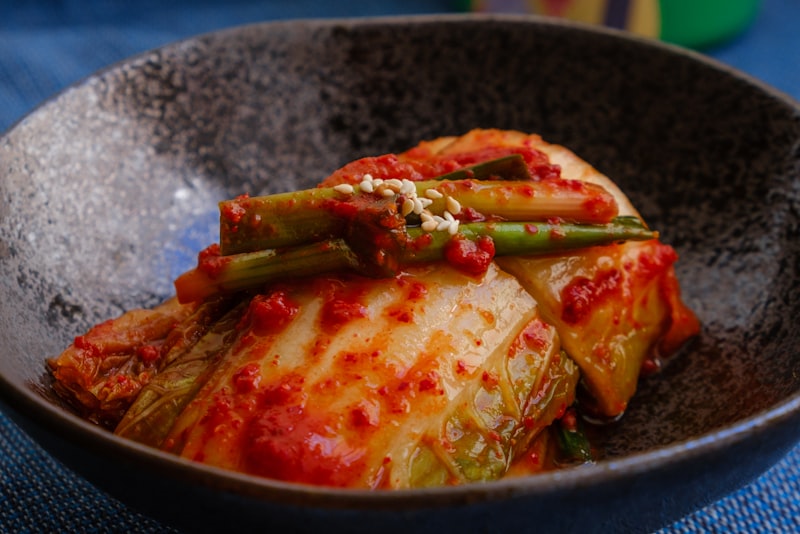
Use the browned fond, deglaze with liquid, reduce it down, and finish with butter. A cook's guide to turning a used pan into a real sauce.
Marcus Bell
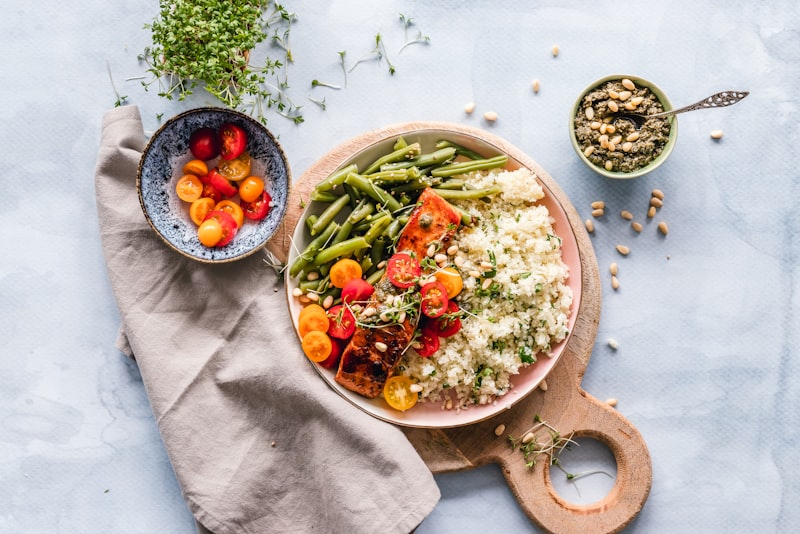
Learn the one flexible formula behind almost every soup: aromatics, liquid, body, and a finishing touch, so you can turn odds and ends into a real meal.
Priya Nair
Browse by topic
The core skills that make everything else easier — knife work, heat control, searing and roasting, building flavor, and seasoning food so it actually tastes finished.
ExploreDependable meals for real weeknights — quick dinners, one-pan suppers, batch cooking, and dishes worth repeating without a trip to a specialty store.
ExploreShop smarter and waste less — how to choose, store, and get the most out of everyday ingredients, from produce and eggs to the pantry staples you lean on.
ExploreA calmer kitchen — the tools that earn their place, simple meal planning, prep-ahead habits, and small systems that save you time and money.
ExploreTechniques
The core skills that make everything else easier — knife work, heat control, searing and roasting, building flavor, and seasoning food so it actually tastes finished.
Salt the water well, cook it al dente, save the starchy pasta water, and finish the pasta in the sauce. The simple habits that change everything.
Lucia Ferrari
Use the browned fond, deglaze with liquid, reduce it down, and finish with butter. A cook's guide to turning a used pan into a real sauce.
Marcus Bell
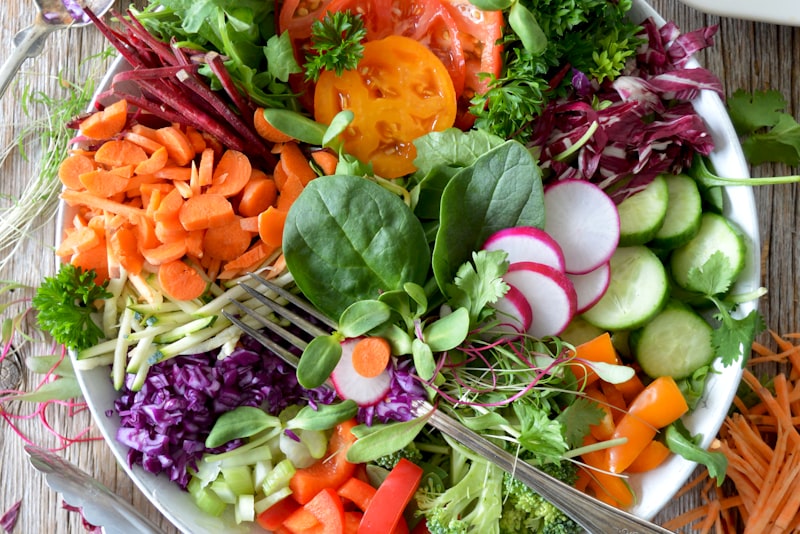
High heat, a single layer, enough oil, and real spacing. A tested guide to roasting vegetables so they turn deep brown and sweet instead of soggy.
Lucia Ferrari
Recipes
Dependable meals for real weeknights — quick dinners, one-pan suppers, batch cooking, and dishes worth repeating without a trip to a specialty store.
A reliable method for a golden, juicy roast chicken: dry the skin, salt ahead, roast hot, check doneness by feel and temperature, and always rest before carving.
Lucia Ferrari
Learn the one flexible formula behind almost every soup: aromatics, liquid, body, and a finishing touch, so you can turn odds and ends into a real meal.
Priya Nair
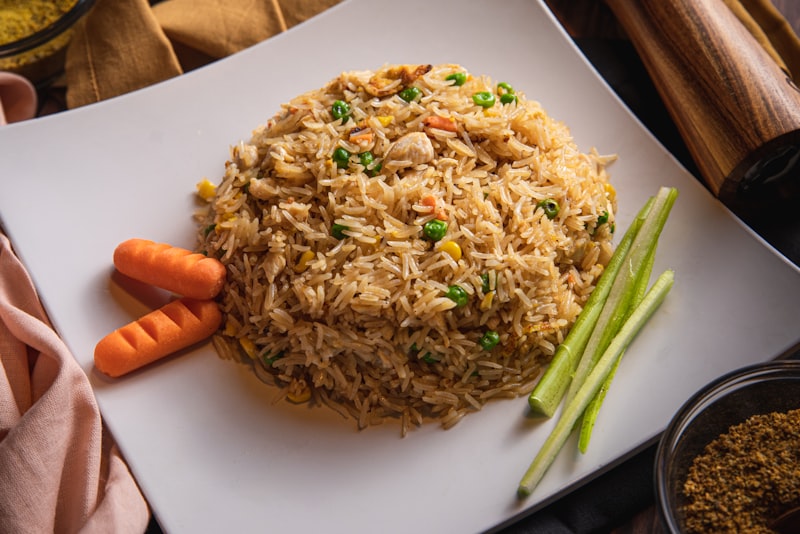
A market-driven guide to stir-frying at home: prep everything first, cook hot and fast, add ingredients in the right order, and finish with a balanced sauce.
Priya Nair
Ingredients
Shop smarter and waste less — how to choose, store, and get the most out of everyday ingredients, from produce and eggs to the pantry staples you lean on.
Practical ways to waste less food and money: shop to a plan, build use-it-up habits, store food smarter, and turn scraps into stock, soups, and second meals.
Priya Nair
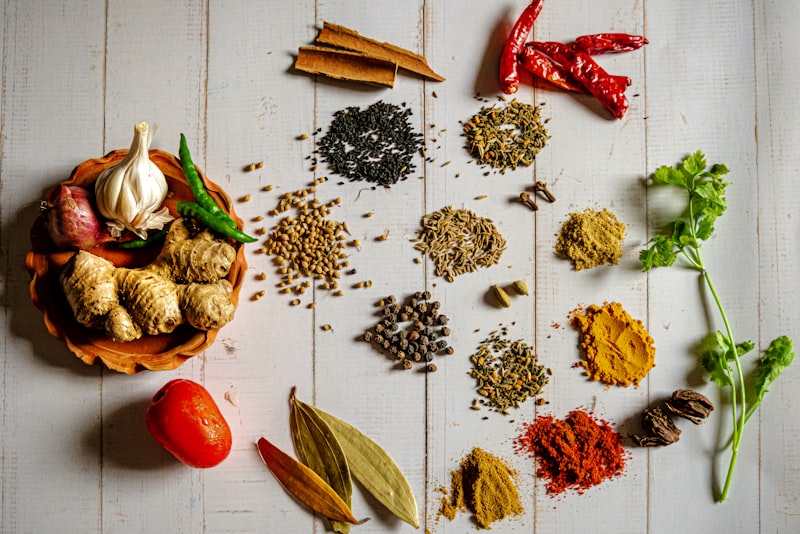
Cook with herbs and spices the confident way: when to use fresh versus dried, the right moment to add each, how to build flavor in layers, and how to store them.
Lucia Ferrari
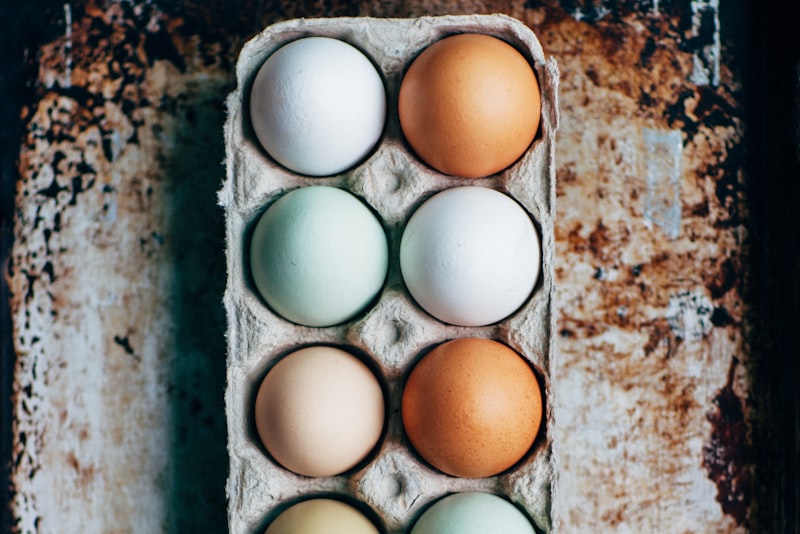
A clear guide to buying and storing eggs: the simple float freshness test, how to keep them longest, and what all those carton labels really mean.
Priya Nair
Kitchen
A calmer kitchen — the tools that earn their place, simple meal planning, prep-ahead habits, and small systems that save you time and money.
Read a recipe all the way through first, set up your mise en place, understand the why behind each step, and learn when it's safe to adapt and when to follow it.
Marcus Bell
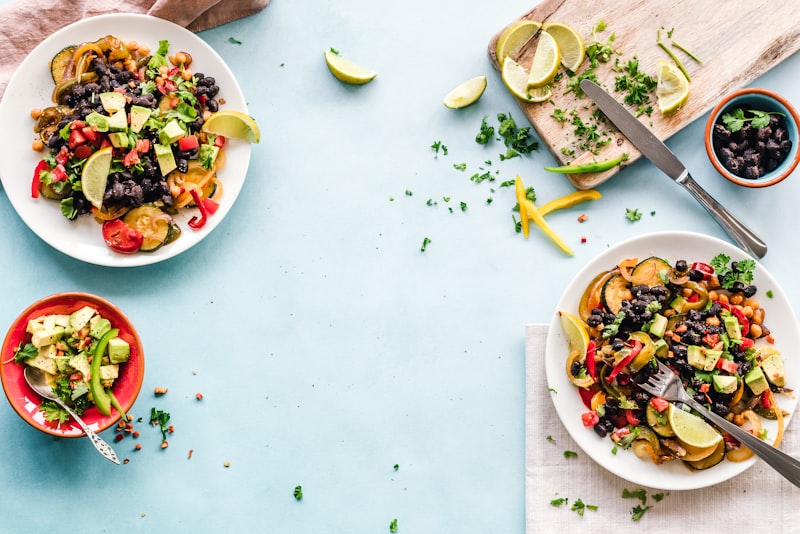
Cook more and order takeout less by lowering the friction: keep easy defaults on hand, build small habits, and make the home-cooked option the path of least resistance.
Lucia Ferrari
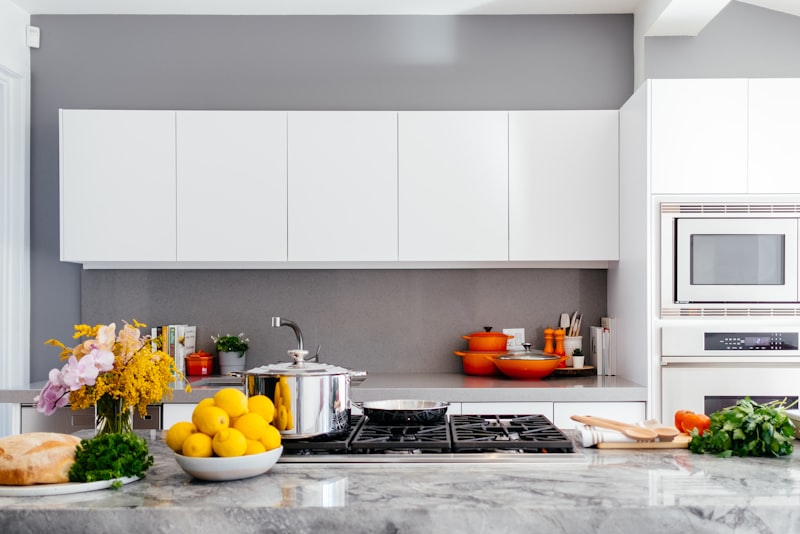
Make a small kitchen work harder: set up zones, keep counters clear, use vertical storage, and cut the tools and duplicates you never actually reach for.
Lucia Ferrari