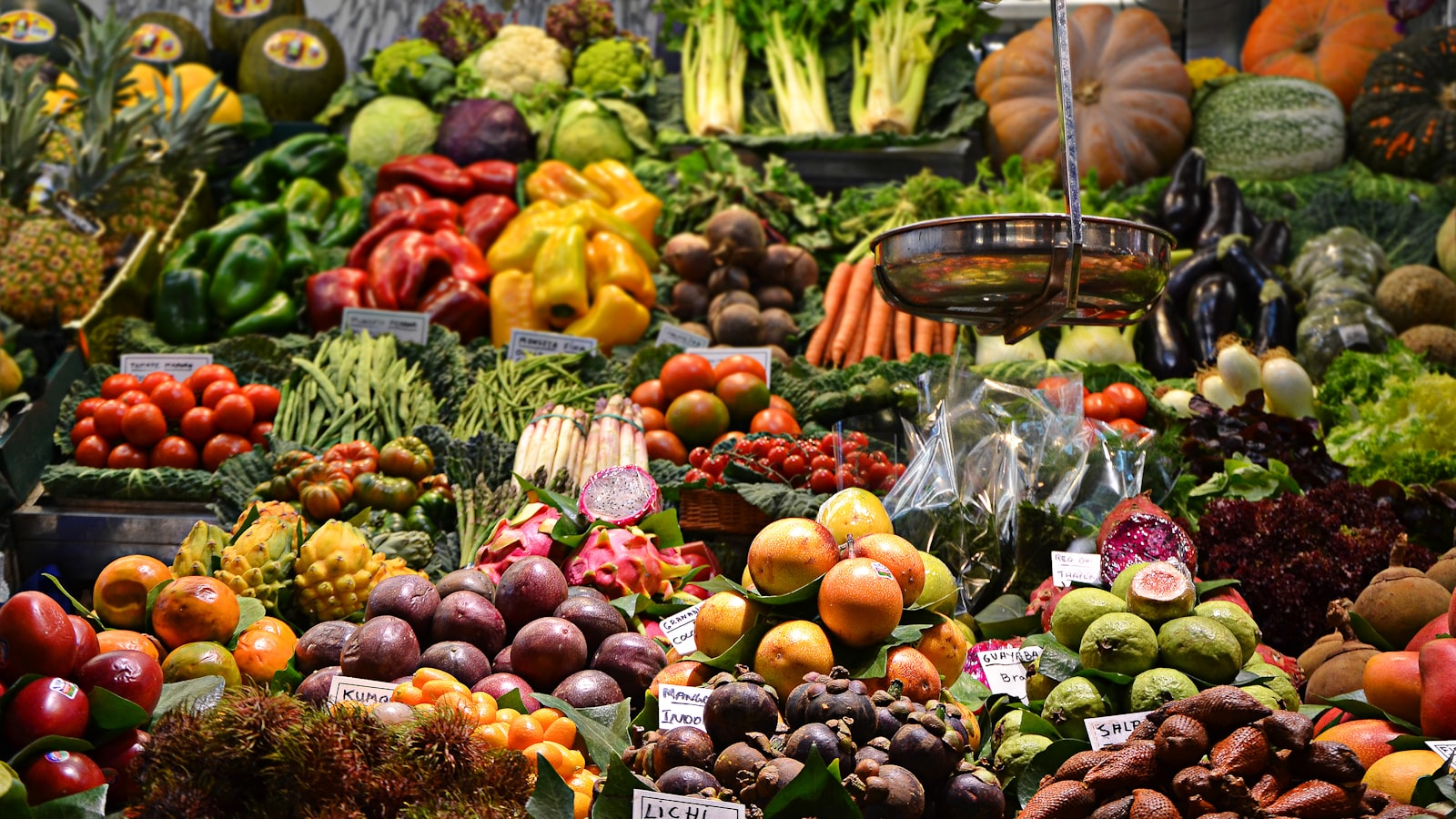
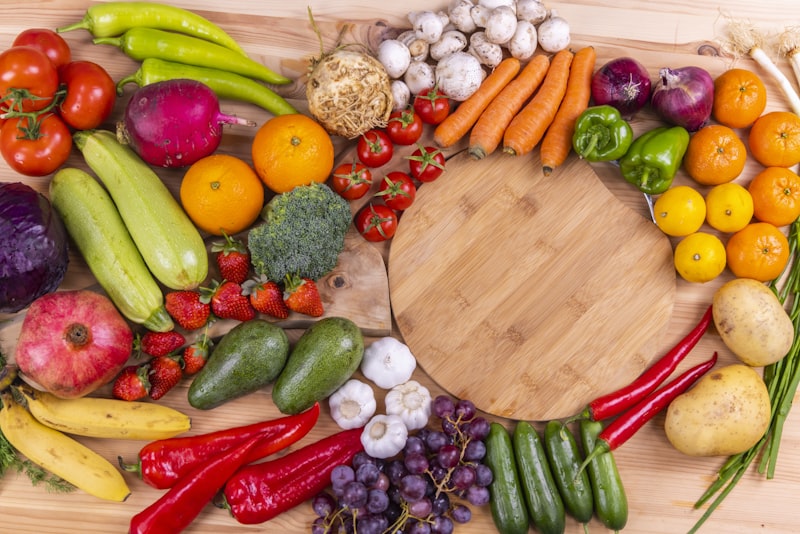
There is a particular pleasure in a good market stall: crates stacked with tomatoes still warm from the sun, herbs you can smell before you reach them, a vendor who will tell you what came in that morning. But abundance can be paralysing. Faced with a wall of peaches, how do you know which ones are worth carrying home?
The trick is to stop reading and start sensing. Growers and shopkeepers do not slap ripeness stickers on their fruit. They rely on look, feel, smell, and a little seasonal knowledge, and once you learn to do the same, you will pick better produce almost without thinking about it.
Trust your senses over the sign#
Your eyes, hands, and nose are better instruments than you give them credit for. Colour is the first clue, but read it in context. A deep, even colour usually signals ripeness, while patches of green on a tomato or dull, faded skin on a pepper hint that it was picked early or has sat too long. Steer clear of bruises, soft dark spots, mould, and any skin that has gone wrinkled or slack.
Touch tells you what the eye cannot. Most ripe fruit gives slightly under gentle pressure without feeling mushy, and vegetables should feel firm and taut rather than rubbery. Be gentle, though, because a thumb-shaped bruise helps no one and the vendor least of all.
Then there is smell, which is the sense people forget. Ripe fruit is fragrant at the stem end. A melon, a peach, or a strawberry that smells sweet and floral will taste that way; one that smells of nothing will taste of nothing, no matter how pretty it looks.
One caution about flawless-looking fruit. A glossy, waxed apple or a suspiciously perfect tomato can be tempting, but uniformity is not the same as quality, and a little irregularity in shape or color often means the produce was grown for flavour rather than for surviving a long journey. Small blemishes that don't break the skin are purely cosmetic and nothing to fear. It is the soft dark spots, the wrinkled skin, and the faint smell of fermentation you are really screening out.
Let the seasons do the work#
The easiest way to eat well is to buy what is in season. Produce at its natural peak is picked closer to ripe, travels a shorter distance, and lands on the stall bursting with flavour. It is also, reliably, cheaper, because the grower has more of it than they know what to do with.
When a fruit or vegetable is piled high, sold at a low price, and grown nearby, those three signals together are the market telling you it is in season. That is the day to buy it, cook it, and maybe buy extra to freeze.
Shopping this way rewards you twice. You get the best version of each ingredient, and you naturally rotate your cooking through the year instead of eating the same tired tomatoes in the depths of winter. Ask the vendor what is at its best right now. Most love the question, and the answer is usually the smartest thing you can put in your basket.
There is a rhythm to it that becomes second nature once you pay attention. Spring brings tender greens and the first asparagus; high summer is the season of tomatoes, stone fruit, and berries; autumn hands you squash, apples, and roots; winter leans on hardy brassicas and bright citrus. You do not need to memorise a calendar. Just notice what the stall is proud of and piling high each week, and let that quiet signal steer your basket toward whatever is genuinely at its peak.
Read ripeness for how you will use it#
Ripe is not one fixed state. It depends on when you plan to eat the thing. If you want an avocado for tonight's dinner, choose one that yields to a gentle squeeze; if it is for the weekend, buy it firm and let it ripen on the counter. The same logic applies to bananas, pears, stone fruit, and mangoes.
A quick way to match ripeness to your week:
- Cooking today: pick fully ripe, fragrant, slightly yielding fruit.
- Cooking in a few days: choose firmer pieces that will come good on the counter.
- Buying in bulk: mix ripe-now with ripe-later so it doesn't all peak at once.
This matters most for anything that ripens after picking, and it saves you from the classic trap of buying six perfect avocados that all turn to brown mush on the same afternoon. Knowing what happens next also shapes where things go when you get home, which is worth thinking through in how to store vegetables so they last.
Weight, sound, and a few produce-specific tricks#
Beyond the general rules, a handful of small tests separate the good from the great, and they cost you nothing but a moment at the stall.
- Heft it: citrus, melons, and squash that feel heavy for their size are full of juice and flesh, while a light one has dried out inside.
- Check the stem and leaves: fresh greens on carrots, beets, and herbs signal a recent harvest, and a green, pliable stem beats a dry, brown one.
- Tap a melon: a ripe watermelon gives a deep, hollow thump rather than a dull thud.
- Look at the base: tomatoes and peppers should be firm all the way to the stem, with no softness where they were attached.
None of these are foolproof on their own, but stacked together they rarely steer you wrong. The more you handle produce, the faster the judgement becomes, until you are picking the best peach in the crate almost on instinct.
The oldest quality test of all, though, is a conversation. A market vendor knows which crate arrived that morning and which has been sitting out for two days, and if you ask, they will almost always point you to the better one. Building a little rapport with the people who grow or sell your food beats any barcode or sticker, and it tends to come with a tip about what to do with whatever you buy.
Bring the right basket and the right plan#
Choosing well is only half the job; the other half is buying an amount you can actually cook. It is easy to be seduced by a beautiful stall and come home with more than your week can absorb, which is how good intentions end up in the bin. Loose, unbagged produce lets you buy exactly what you need, and a rough sense of your meals keeps the enthusiasm in check.
Carry a sturdy bag, shop the edges of your appetite rather than the whole stall, and remember that a smaller haul of ripe, in-season produce beats a fridge crammed with fruit you will never reach. When you get everything home in good shape, the cooking almost takes care of itself. Firm, fragrant vegetables are exactly what you want when it comes time to roast vegetables so they caramelize, and a well-chosen basket makes every meal that follows a little easier and a lot more delicious.