A stir-fry is one of the best-value meals a home cook can make. It stretches a small amount of protein across a pile of vegetables, cooks in minutes, and turns whatever looked good at the market into dinner. It's also the meal most likely to go wrong, ending up as a watery, grey heap when it should be bright, crisp, and glossy.
The good news is that the difference between a limp stir-fry and a great one comes down to a few clear principles, not to a secret ingredient or a fancy wok. Get the preparation and the heat right and the rest follows almost on its own.
Shop with your eyes at the market#
A stir-fry rewards fresh, firm vegetables, so this is a dish to build around whatever is in season and cheap rather than a fixed shopping list. Crisp broccoli, snappy green beans, firm peppers, bok choy with taut leaves, carrots that don't bend. Soft, tired vegetables release too much water and go mushy under high heat, so the quality of what you buy matters more here than in a slow-cooked dish where everything softens anyway.
Buy a variety of colors and textures, because contrast is half the pleasure. Something crunchy, something tender, something with a little sweetness. A single protein and three or four vegetables is plenty; more than that and the pan gets crowded and nothing cooks properly. If you're not sure how to spot the good stuff, learning how to choose fresh produce at the market makes every stir-fry better before you've even turned on the stove, since firm, fresh vegetables are the entire foundation of the dish.
Protein can be almost anything: chicken, beef, pork, shrimp, firm tofu, or just eggs and extra vegetables. Slice it thin and against the grain so it cooks fast and stays tender. A little goes a long way here, which is what makes a stir-fry such a friend to a tight budget.
If you're cooking meat, a quick marinade pays off. Toss the sliced protein with a splash of soy sauce, a little cornstarch, and a touch of oil while you prep everything else. The cornstarch forms a thin coating that seals in juices and helps the sauce cling later, a small step that gives homemade stir-fry that silky, restaurant texture people can't quite place. Fifteen minutes sitting in the marinade is plenty; it happens while you're chopping the vegetables anyway.
Prep everything before the heat#
This is the rule that matters most, and the one beginners most often ignore. Stir-frying is fast and violent. Once the pan is screaming hot, you have seconds between steps, not minutes. There is no time to peel garlic or slice a pepper while something sizzles, because by the time you look up it will have burned.
So do all your chopping first. Every vegetable sliced, the protein cut and seasoned, the aromatics minced, the sauce mixed, everything lined up next to the stove in the order you'll add it. Cooks call this having your mise en place, and for a stir-fry it isn't optional.
Line your bowls up like this before you light the burner:
- Aromatics: garlic, ginger, chilies, the base of the flavor
- Protein, sliced thin and patted dry
- Hard vegetables that need the most time, like carrots and broccoli
- Tender vegetables that cook fast, like peppers and greens
- The sauce, already mixed in a small bowl
- Finishing touches: herbs, spring onions, sesame, a squeeze of lime
Once these are ready, the actual cooking takes only a few minutes and you can give it your full attention instead of chopping in a panic.
Cook hot, fast, and uncrowded#
Heat is the soul of a stir-fry. You want the pan as hot as it will safely go, so that food sears on contact and cooks before it has a chance to release its water and stew. A wok is ideal because its shape concentrates heat, but a wide, heavy skillet works fine. What matters is that the surface is genuinely hot before anything touches it.
Overcrowding is what turns a stir-fry to mush. Pile too much in a lukewarm pan and the temperature crashes, water pools, and everything boils in its own juices instead of frying.
If you're cooking a large amount, work in batches. Sear the protein, remove it, then cook the vegetables, and combine everything at the end. It feels slower but takes only a couple of extra minutes, and the results are worlds apart from a single overloaded pan. Keep the food moving too; that constant tossing is why it's called a stir-fry, and it stops anything from sitting long enough to burn while the pan does its work.
Start with a little oil that can take high heat, add your aromatics for just a few seconds so they perfume the oil without scorching, then move quickly through your lined-up bowls, hardest vegetables first, tender ones last. A neutral oil with a high smoke point handles this heat far better than olive oil or butter, both of which burn and turn bitter before the pan is hot enough to do its job.
Keep a splash of water within reach as well. If a hard vegetable like broccoli or carrot needs a little longer to soften, a spoonful of water hitting the hot pan turns instantly to steam and cooks it through in seconds without dropping the temperature the way a lid full of trapped moisture would.
Balance the sauce and finish strong#
A stir-fry sauce should be mixed before you start and added right at the end. It needs to balance salty, sweet, sour, and savory: something salty like soy sauce, a touch of sweetness, a hit of acid like rice vinegar or lime, and often a little cornstarch slurry to thicken it into a glaze that clings to the food. Pour it in during the last minute, toss hard, and let it bubble and coat everything for just long enough to thicken.
Add the sauce too early and it cooks away or makes everything soggy; add it at the end and it glazes. This timing is the last piece of the puzzle, and it's why the sauce lives in its own bowl in your line-up rather than being splashed in whenever.
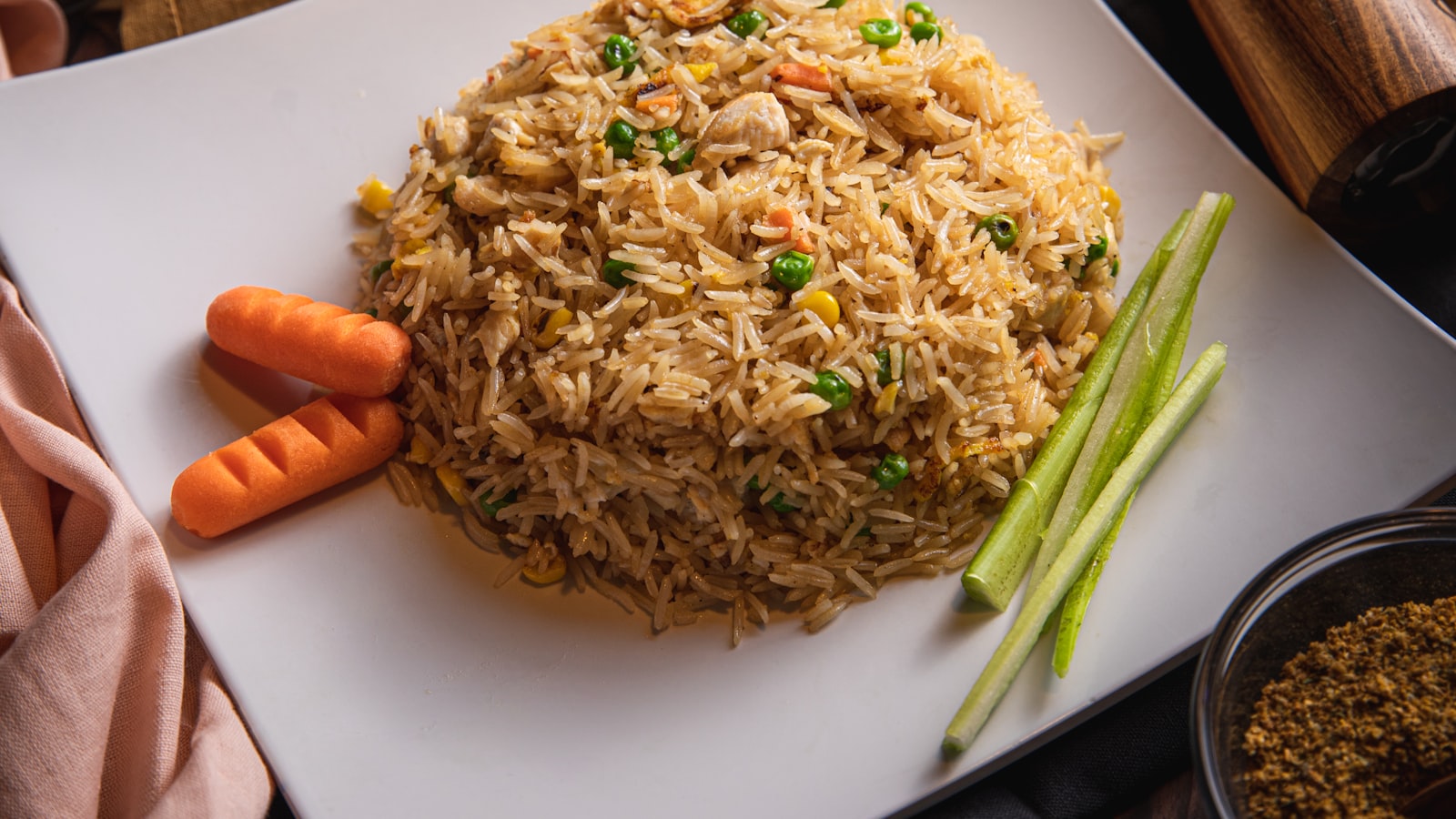
A stir-fry is almost always served over rice, and dull, sticky rice can undo all your good work at the stove. Nailing perfect rice every time gives your stir-fry the fluffy, separate base it deserves and rounds the meal into something complete and satisfying.
Once you have these four ideas working together, prep first, cook hot, order right, sauce last, you don't need a recipe anymore. You walk through the market, pick what looks good, and build dinner from it. That's the real gift of learning to stir-fry: not one dish you can repeat, but a method that turns almost any handful of fresh vegetables and a little protein into something fast, bright, and genuinely worth eating.