There's a particular kind of tired where cooking dinner feels manageable but washing up afterward does not. A sink full of pots is often what pushes people toward takeout, not the meal itself. One-pan cooking solves exactly that problem: you do a little thinking up front, the oven or a single skillet does the work, and cleanup is one pan and a cutting board.
Done well, these meals aren't a compromise. A tray of chicken and vegetables roasted together tastes better than the same things cooked separately, because everything shares its juices and browns in the same heat. The skill is mostly about timing, and it's easy to learn.
Why one pan works#
When you roast or sear several things in one vessel, they flavor each other. Chicken fat drips onto potatoes, onions caramelize into the sticky bits left by a sausage, greens wilt in the oil a piece of fish left behind. You're not just saving dishes; you're building a single, connected dish where the parts taste like they belong together.
The trade-off is control. Cook everything in one pan and you can't fuss over each element individually, which means you have to be smart before the food goes in. That mostly comes down to one question: how long does each thing need? Get the timing right and one-pan cooking is close to foolproof. Get it wrong and you end up with burnt garlic and raw carrots on the same tray.
There are two main styles worth knowing. Sheet-pan meals go in a hot oven and roast hands-free while you do something else. Skillet meals cook on the stovetop where you can stir, adjust, and build a sauce at the end. Both follow the same core logic, so once you understand one, the other makes sense too.
Match ingredients by cooking time#
The whole game is getting everything to finish at the same moment. Dense, hard things take longest; delicate, watery, or thin things cook fast. So you stagger them, starting the slow ones and adding the quick ones later, or cutting the slow ones smaller so they catch up.
A rough guide to how long common ingredients need in a hot oven:
- Longest: whole potatoes, winter squash, beets, bone-in chicken
- Medium: carrots, onions, broccoli, cauliflower, sausages
- Quick: cherry tomatoes, asparagus, fish fillets, leafy greens
- Add at the end: fresh herbs, spinach, anything you want bright and green
You have two levers. The first is when things go in: start the potatoes, then add the broccoli halfway, then throw in the tomatoes for the final ten minutes. The second is size: cut a dense potato small and it cooks as fast as a larger piece of a softer vegetable. Use both together and you can put wildly different foods on one tray and have them all come out right.
The most common one-pan mistake is crowding the pan. Pack food too tightly and it traps steam, so instead of roasting and browning it stews in its own moisture and goes pale and soft.
Give food room and heat#
Browning is where flavor lives, and browning needs two things: space and a hot surface. When ingredients touch each other and cover every inch of the pan, the water they release has nowhere to escape, and the whole tray steams. Spread everything in a single layer with a little gap between the pieces, and use a second pan if you need to rather than piling one high.
Heat matters just as much. A properly hot oven, somewhere in the range where vegetables sizzle rather than sweat, drives off moisture fast and lets the edges caramelize. For skillet meals, preheat the pan before the oil and food go in. Cold pan cooking is the enemy of a good crust. If you want the deep, sweet, caramelized edges that make roasted food worth eating, it's worth understanding how to roast vegetables so they actually caramelize, because the same principles carry straight into every sheet-pan dinner you'll ever make.
A little oil helps here too. It conducts heat to the surface of the food and helps it brown evenly. Toss everything so each piece is lightly coated, not swimming, and season before it goes in the oven so the salt has time to work.
One more habit worth building: cut things into pieces of a similar size within each group. A tray of potato chunks where half are large and half are small will give you some pieces burnt and some still hard, because they finish at different times. Uniform pieces cook at a uniform rate, which is the whole point of getting everything onto one pan in the first place. It takes a few extra seconds at the cutting board and saves you from picking through the results later.
Rather than hunting for a new recipe every night, keep two or three one-pan templates you can fill with whatever you have. A formula frees you from shopping for specific things and lets you cook from the fridge.
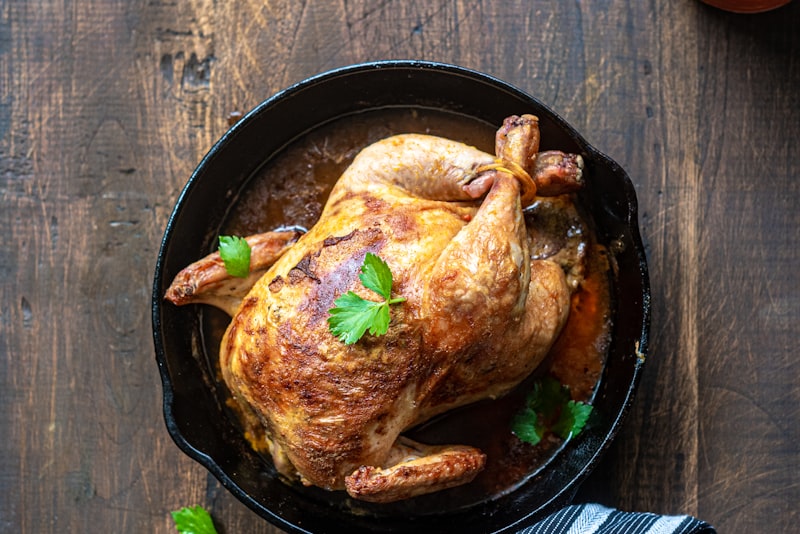
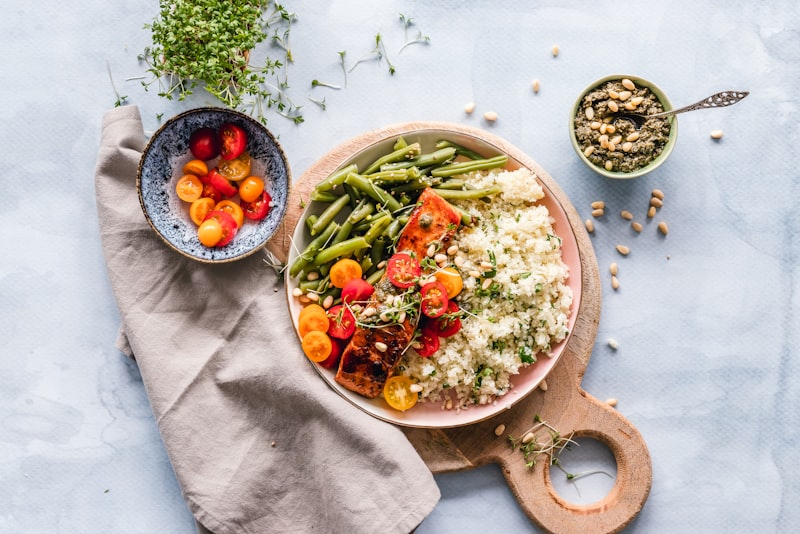
The classic sheet-pan template is a protein plus a hardy vegetable plus a quick vegetable, all tossed in oil and seasoning. Sausages with potatoes and peppers. Chicken thighs with carrots and onions. Salmon with asparagus and cherry tomatoes, the fish added partway through since it cooks fast. Whole roasted chicken belongs in this family too, and if you want to build a meal around one, a whole roast chicken surrounded by vegetables is the ultimate one-pan Sunday dinner that carries into weekday leftovers.
For the stovetop, the skillet template is: brown a protein, soften some aromatics in the fat, add a starch or vegetable and a splash of liquid, then let it all simmer together until done. This is how a one-pan pasta or a quick braise comes together with a single pot to wash. When you have twenty minutes and no oven time to spare, these lean toward the same territory as easy weeknight dinners in 30 minutes, just consolidated into one vessel.
Finish it and enjoy the empty sink#
When the food comes out, take a moment to lift it. A one-pan meal often wants a final touch of brightness to cut through all that rich, roasted flavor: a squeeze of lemon, a scatter of fresh herbs, a dollop of yogurt, or a spoonful of the pan juices poured back over the top. Taste and adjust the salt, because roasting concentrates flavors and what tasted right raw may want a little more once it's cooked down.
Then look at your stove. One pan, one board, maybe a mixing bowl. That's the quiet reward of cooking this way, and on a busy night it's not a small one. You ate a real, hot, connected meal, and you'll be done cleaning up before the kettle's even boiled for tea. Keep a couple of these formulas in your back pocket and the worst weeknights get a lot easier to face.