Most people who "hate meal prep" have only tried one version of it: a Sunday afternoon spent cooking five identical lunches, sealing them in boxes, and then eating the exact same thing until Friday, by which point you'd rather chew your own arm. No wonder it doesn't stick.
There's a gentler way that lasts. Instead of finishing whole meals in advance, you prep a few useful building blocks — a pot of grains, a tray of roasted vegetables, a sauce — and then assemble different dinners from them all week. You do less cooking on the day, you eat more variety, and you never open the fridge to a wall of sameness.
Prep components, not finished meals#
The single change that makes meal prep bearable is to stop cooking meals and start cooking parts. A cooked grain, a roasted vegetable, and a good sauce aren't a dinner on their own, but combined three different ways they become three different dinners. Variety is what keeps you eating your own prep instead of ordering something at nine o'clock.
Think in categories rather than recipes. A solid week's worth of components usually looks something like this:
- A batch of a grain or starch — rice, quinoa, couscous, or roasted potatoes
- A protein or two — roasted chicken, a pot of lentils, hard-boiled eggs, marinated tofu
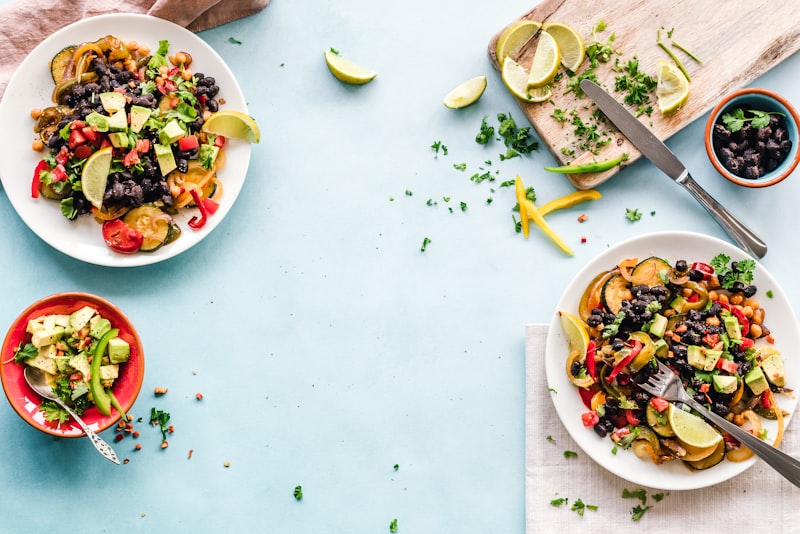
- A big tray of roasted vegetables, plus something raw and crunchy
- A sauce, dressing, or dip that ties it all together
Mix and match those across the week and Monday's grain bowl becomes Wednesday's wrap and Thursday's quick soup base. Nothing tastes like a repeat because you're not repeating; you're recombining. A single jar of good dressing can carry a whole week on its own, since the same roasted vegetables taste like one meal under a lemony vinaigrette and a different one under a spoonful of yoghurt and chilli. If component cooking clicks for you, it pairs naturally with batch cooking meals that reheat well on the nights you do want something fully finished and ready.
Keep the scope honest#
The plans people abandon are the ambitious ones. Six recipes, a shopping list as long as your arm, and a whole afternoon signed away. You'll do it once, resent it, and never do it again. Small and repeatable beats big and heroic.
Start with an hour, no more. In an hour you can get a grain simmering, a tray of vegetables roasting, and eggs boiling all at once, then chop a few things while they cook. That's genuinely enough to lift three or four dinners out of the "what do I even make" pit, which is the entire point.
Prep the things you always wish were already done. For most of us that's a cooked grain, something roasted, and a sauce. Nail those three and weeknight cooking becomes assembly instead of a project.
Overlap the work with time you'd spend anyway. While the oven does its thing, wash up, wipe the counters, or sit down with a cup of tea. Prep shouldn't feel like a second job glued onto your weekend; it should feel like buying your future self some breathing room. Pick a time that genuinely suits you, as well. Sunday afternoon is the classic slot, but a quiet weekday evening or even thirty minutes before breakfast works just as well if that's when you actually have the energy.
Cook things that reheat and recombine well#
Some foods are built for a few days in the fridge and some fall apart, so lean toward the sturdy ones. Roasted root vegetables, grains, braised beans, stews, and cooked chicken all hold up beautifully and often taste better the next day. Anything crisp, delicate, or fried is best cooked fresh, because reheating turns it sad.
Cook vegetables so they'll survive a reheat rather than dissolve into mush. That usually means a hot oven and a bit of patience — getting them properly caramelised gives them a firmer edge that carries through the week. If your roasted veg tends to steam and go limp, it's worth learning how to roast vegetables so they caramelize, because it's the difference between prep you look forward to and prep you choke down out of obligation.
Season components a touch under where you'd want the finished dish, then adjust when you assemble. Flavours settle and mellow in the fridge, and a fresh squeeze of lemon, a pinch of salt, or a spoon of sauce at the last moment wakes everything back up. Undercooking vegetables very slightly helps here too, since they'll take on a little more heat when you reheat them, and crisp-tender survives the week far better than fully soft.
Store it so it stays good#
How you store the components matters as much as how you cook them. Keep wet and dry things apart — dressing on the salad turns it to slush by Tuesday, so store sauces separately and add them at the plate. Same with anything meant to stay crisp.
A few storage habits keep everything fresh and quick to grab:
- Cool food fully before you lid the container, or condensation makes it soggy
- Store components in clear containers so you can see what you've got at a glance
- Keep sauces and dressings in small jars, added only when you serve
- Label anything that isn't obvious, with the day you made it
Clear containers do quiet work here. When you can see the roasted vegetables and the cooked rice waiting, you actually use them; when they're hidden in opaque tubs, they get forgotten and thrown out. Good storage is the whole reason prep saves money, rather than just relocating your food waste from the fridge to a stack of tubs, so treat visibility as part of the job and not an afterthought.
Let it be imperfect#
The best meal prep is the one you'll actually repeat, not the one that photographs well. Some weeks you'll prep three things; some weeks you'll manage a pot of rice and call it a win. Both count. The goal was never a fridge full of matching boxes — it was making the six o'clock decision easier on a tired evening.
Start with one component next Sunday. Cook a big pot of grains, roast a single tray of vegetables, and see how much lighter the week feels. Once that becomes a habit you barely notice, add a sauce, then a protein. There's no prize for the most elaborate fridge, and the person who quietly cooks one extra pot of rice each week will out-cook the one who burns out on an ambitious system by the end of the month. Build it slowly, keep it small, and meal prep stops being a chore you dread and turns into the quiet reason your weeknights got easier.