Batch cooking only pays off if the food is still worth eating a few days later. Anyone who has reheated soggy leftover fries or a dried-out piece of chicken knows the disappointment of a meal that was good fresh and grim the second time around. The trick isn't cooking more; it's cooking the right things and storing them properly.
Some dishes actually improve with a night in the fridge as their flavors settle and deepen. Others fall apart the moment you reheat them. Knowing the difference is what turns batch cooking from a chore that produces sad lunches into a genuine weeknight lifesaver.
What reheats well, and what doesn't#
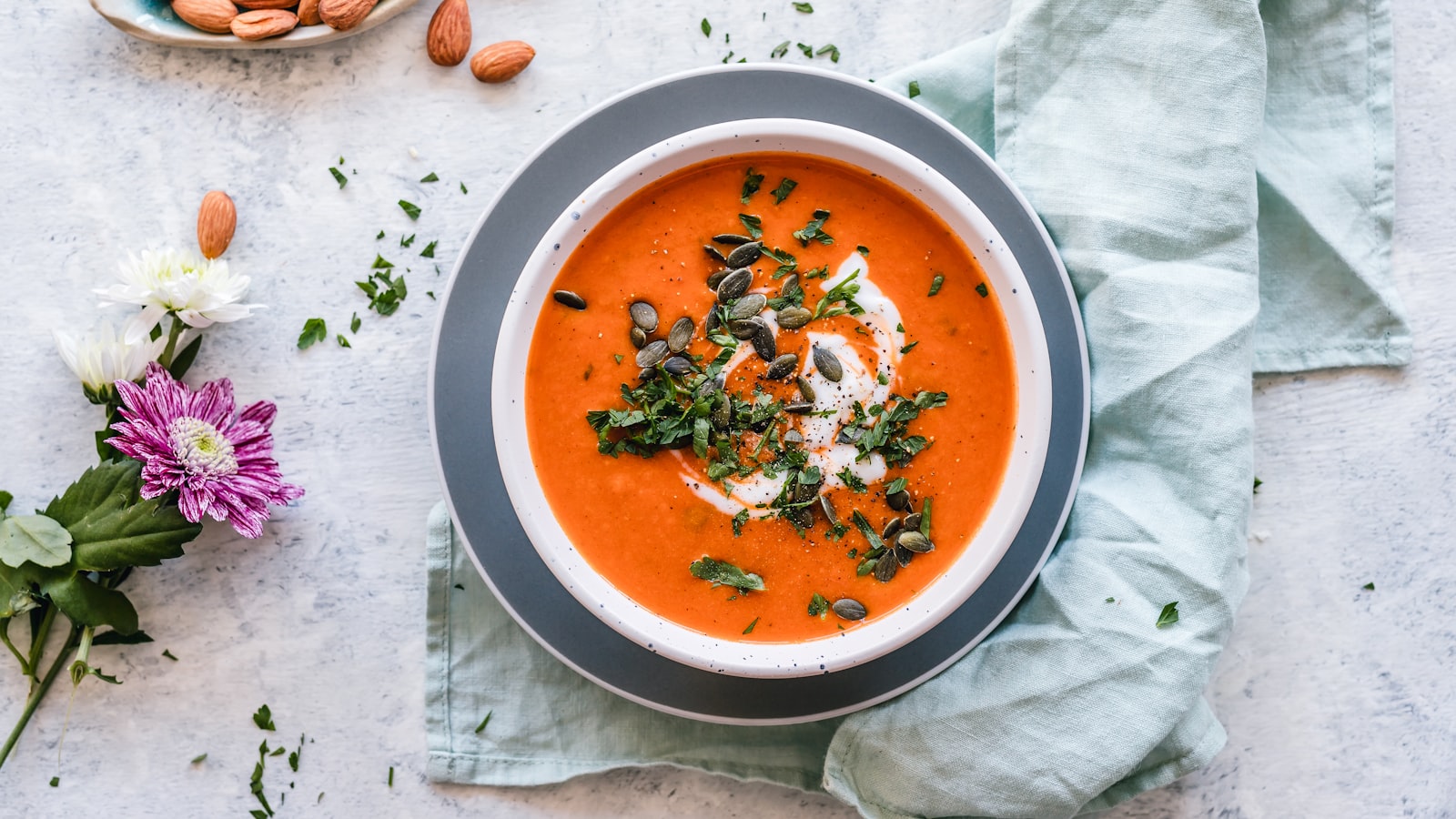
The dishes that reheat best are the forgiving, saucy, sturdy ones. Stews, braises, curries, chilis, soups, and tomato sauces all reheat beautifully, and many taste better on day two because time lets their flavors marry. Cooked grains and beans, roasted root vegetables, meatballs, casseroles, and baked pasta all hold up well too. These are dishes built on slow cooking or robust ingredients, and a gentle reheat just picks up where they left off.
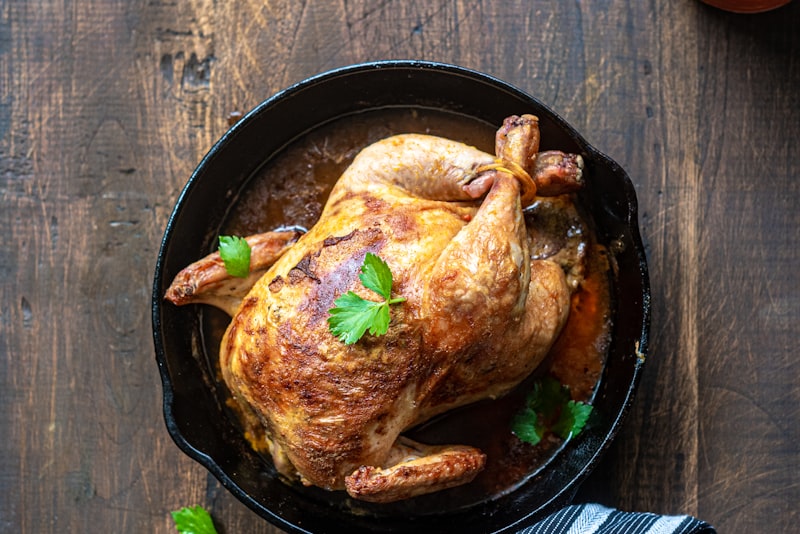
What suffers is anything that depends on a texture that can't be recreated. Crisp things go soft: fried food, roasted potatoes with crackling edges, anything breaded. Delicate things overcook: fish, thin cuts of meat, fried eggs, tender greens. Creamy sauces can split, and pasta tossed with sauce and stored together tends to bloat and turn gluey.
You can often work around these limits by storing components separately. Cook a big pot of sauce to reheat and boil fresh pasta each night; roast a tray of vegetables but keep the crisp-when-fresh ones for the day you make them. This component approach pairs naturally with planning a week of meals, where you decide up front what you'll batch and what you'll finish fresh.
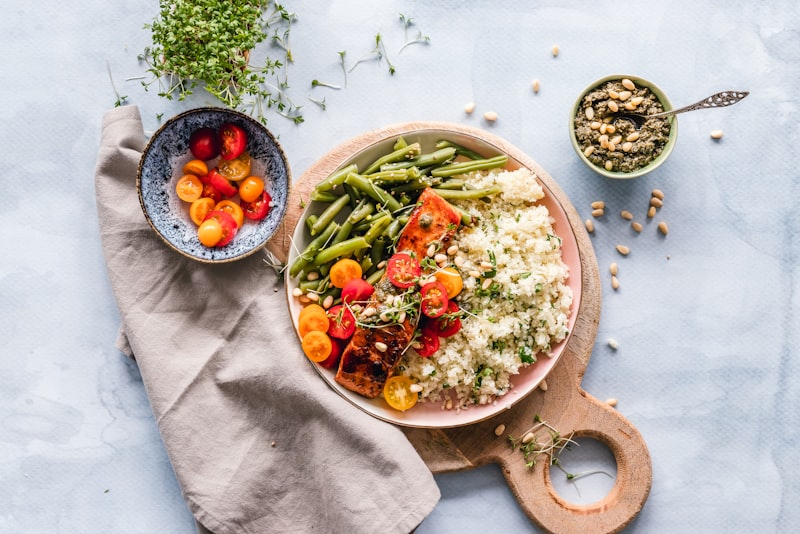
It helps to think in building blocks rather than finished dinners. A batch of cooked grains, a pot of braised beans, a tray of roasted vegetables, and a jar of dressing aren't a single meal, but together they mix and match into a week of different bowls, wraps, and sides. Cooking this way keeps the food from feeling repetitive, because you're not eating the identical plate five nights running; you're recombining a handful of good, sturdy components into something that feels new each time.
Cool it down before you store it#
Once food is cooked, how you cool it matters for both safety and quality. Hot food left to sit at room temperature for hours sits in the range where bacteria multiply fastest, and a big pot cools slowly from the middle. So the goal is to bring the temperature down quickly, then get it into the fridge.
A few simple habits make cooling fast and safe:
- Divide a big batch into smaller, shallower containers so it cools faster
- Spread grains or roasted vegetables on a tray to release heat quickly
- Sit a hot pot in a sink of cold water and stir it now and then
- Get food into the fridge within a couple of hours of cooking
- Don't stack still-warm containers, which traps heat between them
Cooling in shallow containers isn't just about safety. Food that sits warm too long keeps cooking in its own residual heat, so vegetables turn mushy and grains go stodgy. Cooling quickly locks in the texture you worked for.
Never seal a lid on food that's still steaming. The trapped condensation drips back in, makes everything watery, and creates the warm, humid pocket where things spoil fastest.
Store it so it stays good#
The right container makes a real difference. Choose ones sized to your portions so there's little air left inside, since air dries food out and speeds spoilage. Airtight lids keep smells in and freshness longer. Clear containers let you see what's inside so nothing gets lost and forgotten at the back of a shelf, which is one of the quiet ways batch cooking can turn into food waste rather than prevent it.
Most cooked dishes keep three to four days in the fridge. Beyond that, quality and safety both drop, so if you've cooked more than you'll eat in that window, freezing is the answer rather than hoping it lasts. Store components you'll want to combine, like a stew and its rice, in separate containers so you can reheat each the way it likes best.
Grains deserve a special mention because they're the backbone of so many made-ahead meals. Cooked rice, in particular, needs to be cooled quickly and refrigerated promptly rather than left sitting out. If you batch-cook grains often, it's worth getting your rice fluffy and separate to begin with, because rice that's stodgy fresh only gets worse in the fridge.
Freeze smart and reheat with care#
Freezing is where batch cooking really earns its keep, letting you build a stash of ready meals for the weeks you have no time at all. The key is to freeze in portions you'll actually use, because a giant frozen brick has to be thawed all at once. Freeze in single or double servings, lay bags flat to save space and speed thawing, and always label with the dish and the date. Frozen food doesn't spoil quickly, but it slowly loses quality, so a label stops your freezer becoming a museum of mystery containers.
The soups, stews, sauces, and braises that reheat well also tend to freeze well, which makes them the natural centerpiece of any batch-cooking effort. Thaw in the fridge overnight when you can, since slow thawing keeps texture better than blasting from frozen.
When it's time to eat, reheat gently. A slow, moderate heat warms food through evenly without overcooking the edges or drying it out, whether you use a pan, the oven, or a microwave at lower power with a stir partway through. Add a splash of water or stock to loosen anything that's thickened in storage. Then, crucially, refresh it: a squeeze of lemon, a handful of fresh herbs, a fresh grind of pepper, or a drizzle of good oil brings a made-ahead meal back to life and hides the fact it wasn't cooked minutes ago.
Batch cooking isn't about eating the same tired thing for days. It's about spending one burst of effort to buy yourself easy, good meals when you're too busy or worn out to cook. Choose dishes that reheat well, cool and store them properly, freeze the extra, and give each portion a small refresh before it hits the plate. Do that and your future self, standing in the kitchen at the end of a long day, will thank you. If the whole idea still feels daunting, meal prep without hating it is a gentler place to start.